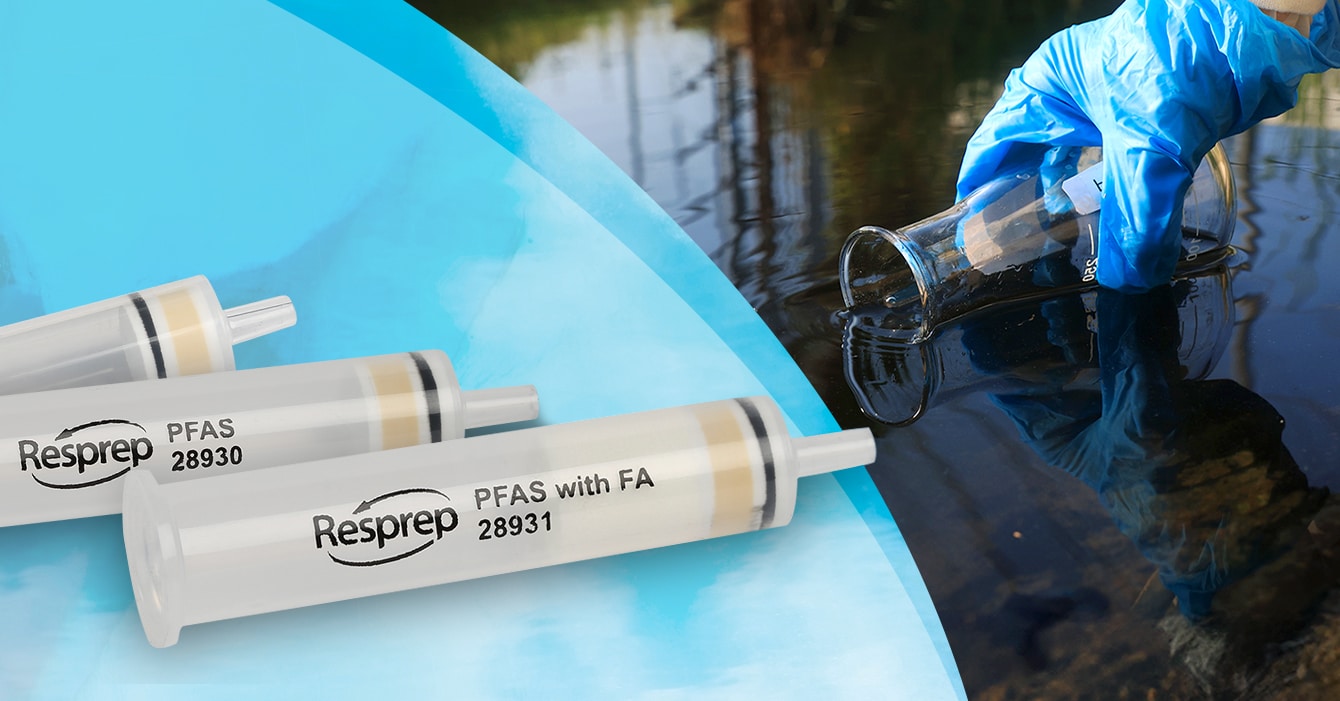




It’s no secret that there is a growing need for accurate PFAS analysis, especially under EPA Method 1633A. An especially tricky challenge for PFAS quantification is the matrix and its interferences. Paired with the highly sensitive detection limits, robust sample preparation is paramount now more than ever. Advantageous SPE cartridge selection will set your lab up for high and accurate sample throughput. Utilizing the selection of the Resprep PFAS SPE Cartridge with Filter Aid (WAX/GCB) cartridge will give you and your lab a cutting-edge lead from flow rates to recovery because of the Filter Aid advantage. So, let’s dig in!
EPA 1633 is a performance-based method that covers a wide variety of PFAS compounds in aqueous, solid, and tissue samples. Performance-based is key here; this means that if equivalency is proven, changes to the method are allowed. This blog will focus on chicken and fish tissue. Chicken is an important aspect to the method because it is used as matrix blanks for fish tissue analysis since it is not commonly possible to find fish tissue with low enough levels of PFAS contamination to serve as a matrix blank.
Chicken as a matrix is fatty, gunky, and goopy, so what does this mean for traditional WAX-only or WAX/GCB two-layer cartridges? Lots of cartridges have flow rates slower than molasses, and samples can be lost due to clogging. SPE cartridges are meant to make your life easy, offering the ability to effectively remove matrix interference and improve accuracy and precision. Cleanup is crucial but so is actually getting the sample through the cartridge.
If you’re curious about sample throughput of the filter aid versus manually packed glass wool WAX SPE cartridges, click here to read all about Jason Hoisington’s 1633 work, including filtration and sample flow for 500 mL of the ASTM D5905 wastewater matrix.
Back to chicken! The sample preparation steps are outlined in Figure 1
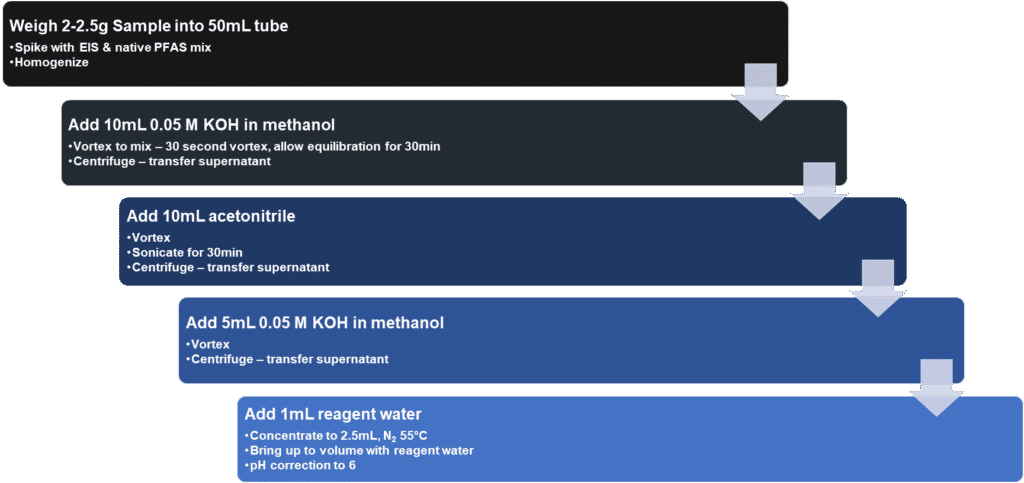
Figure 1: EPA 1633A Sample Preparation Steps for Tissue
I recommend pairing your sample preparation steps with a 0.22 µm nylon syringe filter to ensure the entirety of your sample is able to pass through the SPE cartridge. I recommend doing this when your sample is a manageable volume, so after your concentration step when the volume is approximately 2.5 mL. An extra tip is to pass 3-5 mL of reagent water through the syringe filter after the sample has passed so that the analytes are mostly accounted for. In Figure 2, a table is presented comparing the Resprep PFAS SPE Cartridge with Filter Aid and the Resprep WAX/GCB cartridges to demonstrate how the syringe filter can prevent clogging when, typically, the sample would clog both cartridges without a syringe filter. You’ll notice there’s a filter aid advantage with faster sample throughput on the Resprep with Filter Aid cartridge. This was tested on different ports on the vacuum manifold to account for any potential differences in position, which were found to be negligible.
| Cartridge Type | Filtration Start Time | Filtration Finish Time | Total Time (min) | Manifold Position | Clogged (yes/no) |
| Resprep with Filter Aid | 9:42 | 9:48 | 6 | A | no |
| Resprep with Filter Aid | 9:42 | 9:46 | 4 | B | no |
| Resprep with Filter Aid | 9:42 | 9:46 | 4 | C | no |
| Resprep WAX/GCB | 9:55 | 10:11 | 16 | A | no |
| Resprep WAX/GCB | 9:55 | 10:03 | 8 | B | no |
| Resprep WAX/GCB | 9:55 | 10:13 | 18 | C | no |
Figure 2: 50 mL Chicken Matrix Passed through SPE Cartridges on a Vacuum Manifold
Okay! Now we’ve mastered sample throughput. Let’s move on to %recoveries and %standard deviations for chicken tissue. Take a peek at Figure 3 for the SPE steps taken in accordance with EPA 1633A.
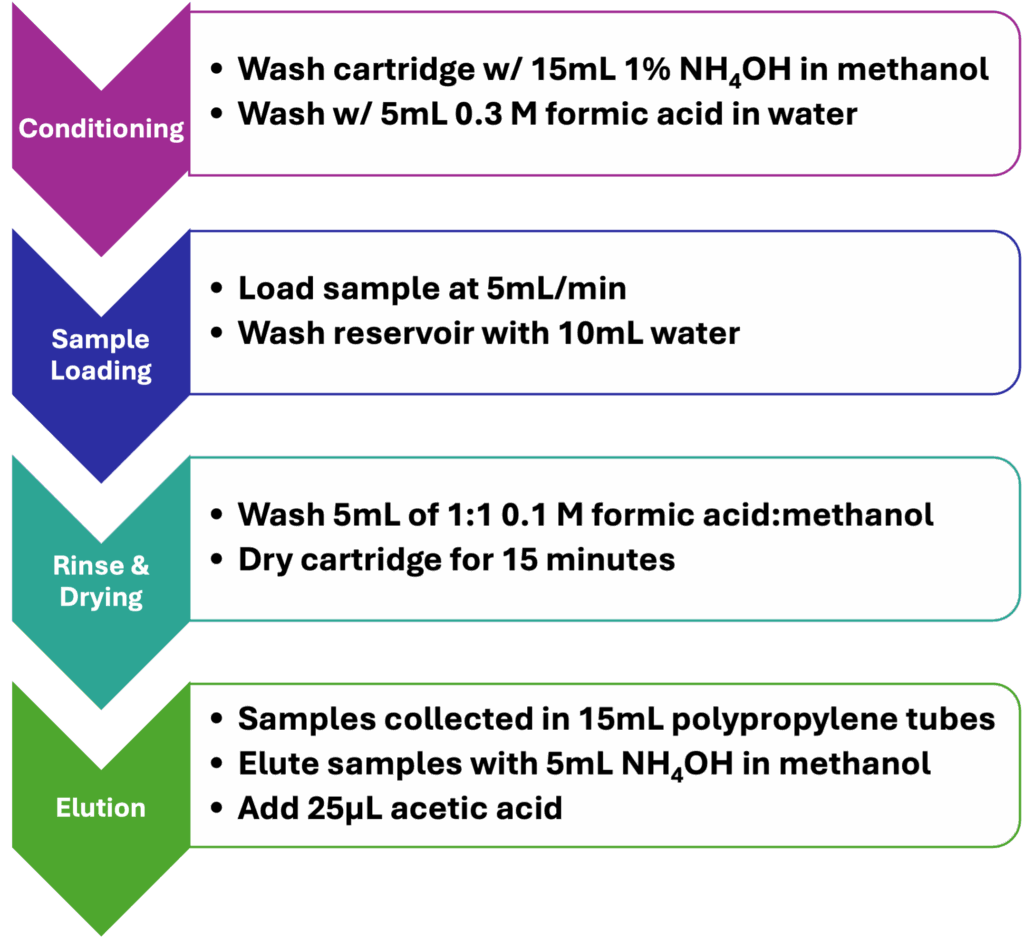
Figure 3: SPE Steps in Accordance with EPA 1633A
Average %Recovery is Figure 4, comparing the Resprep PFAS with Filter Aid (blue) and Resprep WAX-only (yellow) cartridges. Overall, the Resprep PFAS with Filter Aid cartridge performs the best overall.
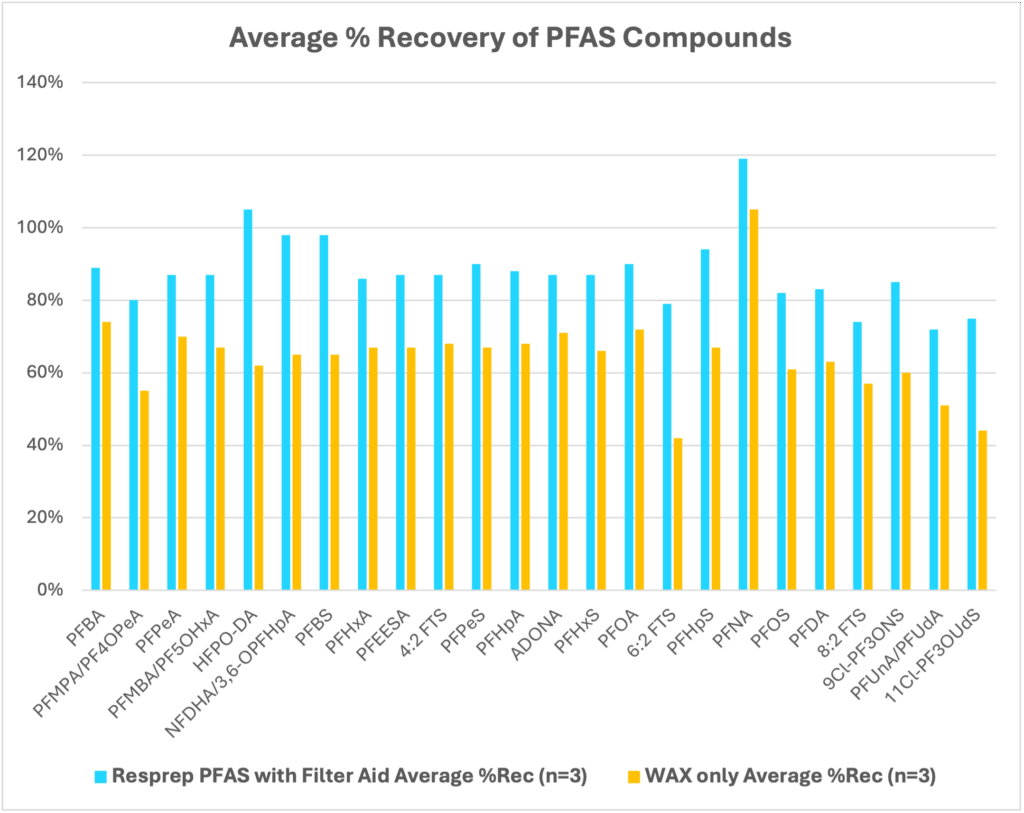
Figure 4: Average % Recovery of PFAS Compounds between Three Different Cartridge Configurations for Chicken Tissue
It is also apparent when looking at Figure 5 for %relative standard deviation (%RSD), the Resprep PFAS with Filter Aid gives the most consistent low values with nothing over 20% RSD. It is hypothesized that the lower recoveries for the WAX-only cartridge is attributable to matrix effects as well as a faster flow rate without a stacked carbon bed–there was also no carbon cleanup post SPE, so generally lower %recoveries due to dirty samples seem to be an expected result.
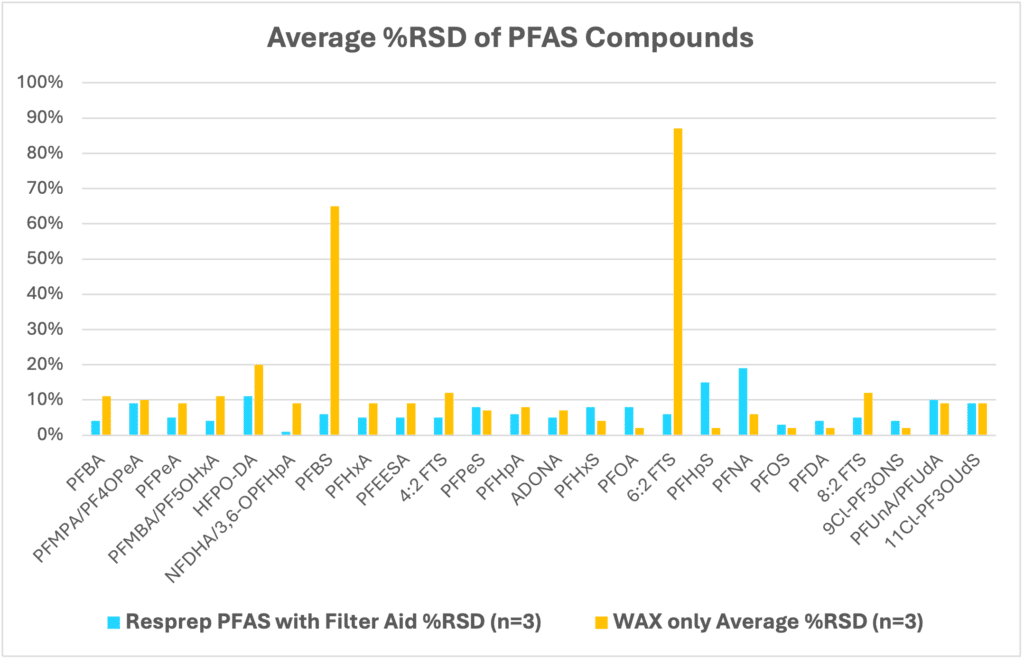
Figure 5: Average %RSDs of PFAS Compounds between Three Different Cartridge Configurations for Chicken Tissue
The wide range of variability for the WAX-only cartridge is suspected to be attributed to matrix effect and flow rate. The Resprep PFAS with Filter Aid is the clear winner with tighter %RSDs that are more consistent.
In conclusion, the Resprep Filter Aid advantage is not one to ignore. It can standardize your resonance time within the SPE cartridge, directly affecting your %recovery and %RSDs. Stay tuned for my next blog post: Optimizing Sample Throughput.