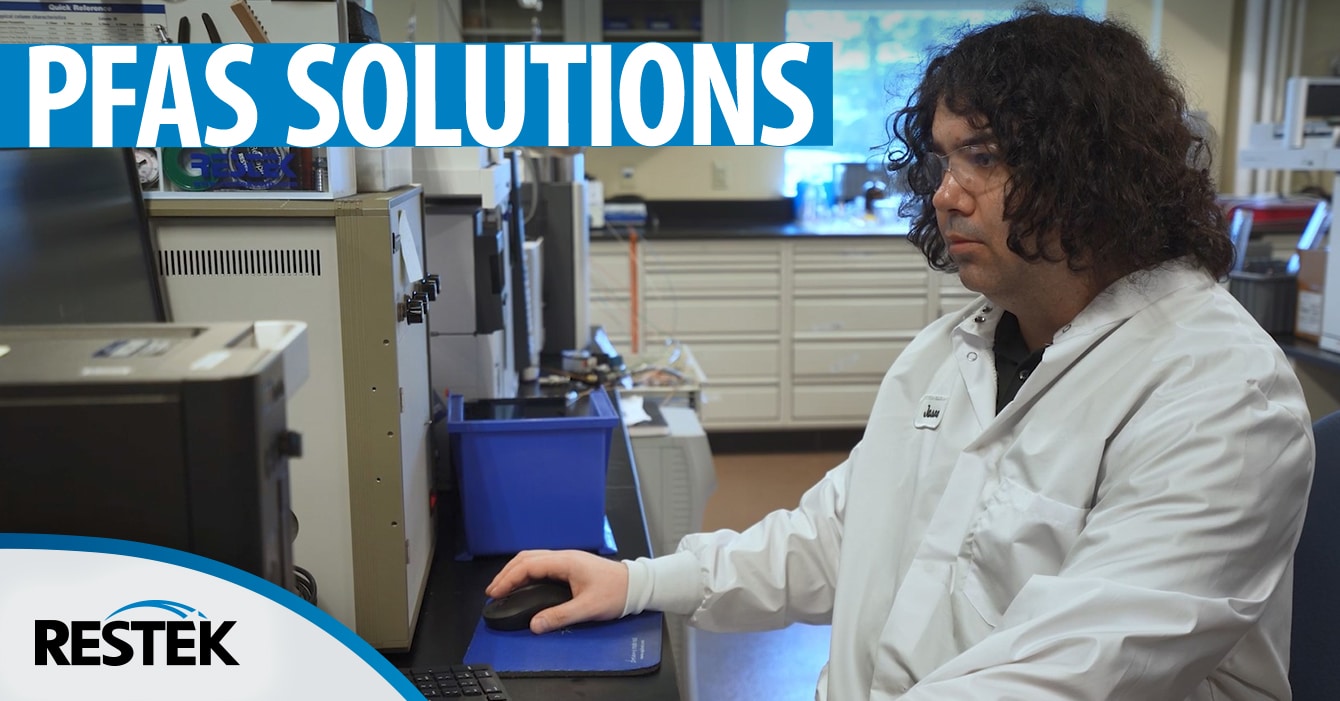


As a technical service representative, I spend my time troubleshooting consumables and instruments, making product suggestions, and helping customers solve analytical puzzles. In February 2025, I was lucky enough to take part in the technical service sabbatical program—one that took me from the phone lines and back into the lab. I immersed myself in sample preparation, specifically learning about one of the most talked-about analytical protocols today: EPA Method 1633A, designed for detecting per- and polyfluoroalkyl substances (PFAS) in water and other matrices.
Here’s a look at what I learned—and what I wish I’d known when I started.
What is EPA Method 1633A?
EPA Method 1633A is a performance-based method that focuses on the detection of 40 PFAS compounds in wastewater, surface water, groundwater, soil, sediment, biosolids, and fish tissue. PFAS are often called “forever chemicals” because they persist in the environment and accumulate over time. The method is designed to be comprehensive and sensitive, detecting PFAS at parts-per-trillion levels.
But to someone with no hands-on experience in sample preparation (like I was), that level of precision comes with a steep learning curve.
Day One: Learning to Speak Lab Again
As a trained synthetic chemist and having spent time in both pharmaceutical labs and at a cannabis testing lab as an analytical chemist, I’ve had plenty of experience with handling chemicals and running instruments. The one area where I lacked hands-on experience was solid-phase extraction (SPE), so my first few days were a bit humbling.
Key things I had to learn:
• Sample handling basics – Even the container matters. PFAS can leach from certain plastics or be present in common lab items that are made from PTFE. That meant paying close attention to containers and other laboratory items that may contain PFAS materials.
• Contamination control – This isn’t just about keeping things clean. PFAS contamination can come from a multitude of places. Blank samples and spikes aren’t just recommended—they’re essential to prove your data is real.
• Solvent handling and pH adjustment – The method requires specific steps for extracting samples. I learned how critical pH is to recover PFAS from environmental matrices. Too high or too low, and you can lose analytes before you even start.
• SPE (Solid-Phase Extraction) – One of the most critical parts of the method. It took me days to get comfortable with cartridge conditioning, flow rates, and drying techniques. I quickly learned that over-drying can reduce recovery, while under-drying can lead to solvent evaporation problems during elution.
Matrices and Cartridges
Jumping into a functioning lab for a few months was an easy task for me, but it required planning and project management on the part of those who are permanent Sample Preparation researchers. We had to have a plan.
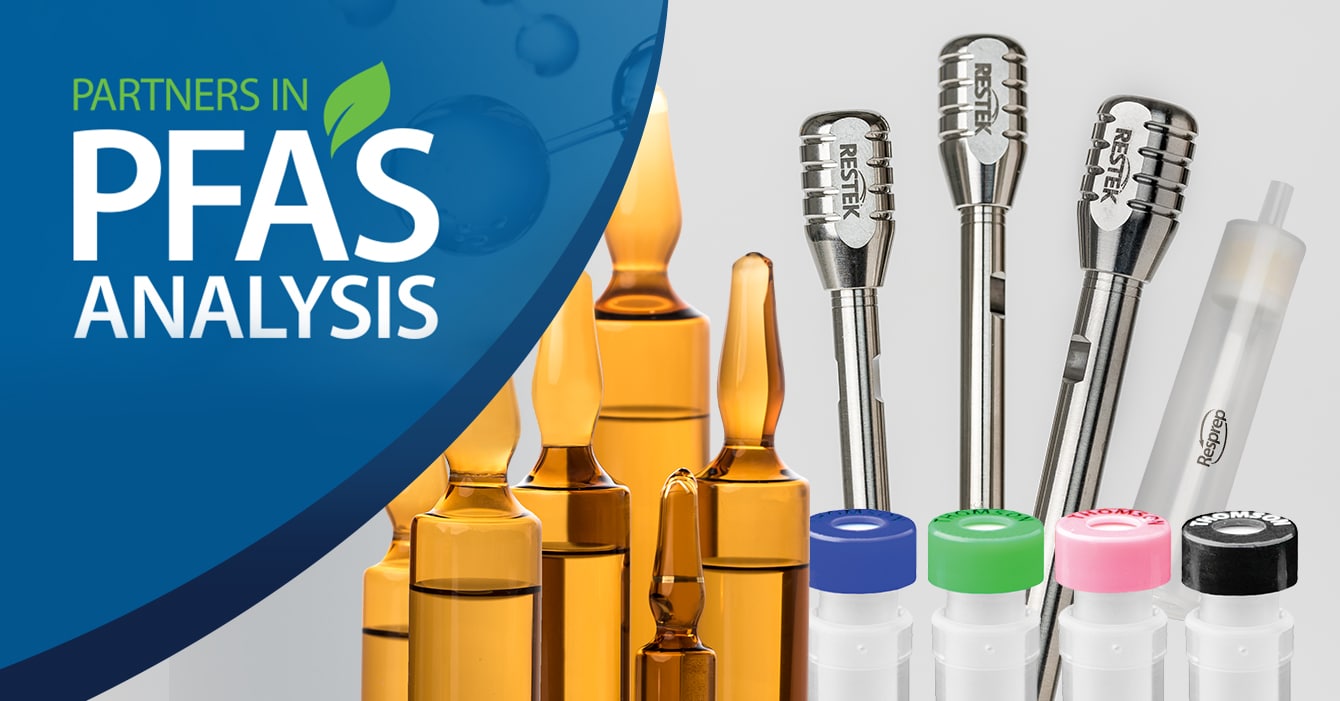
Upon starting the sabbatical, a project was underway, which was to upgrade the sample preparation workflow through cartridge selection and filter aid advantage for a variety of matrices. We looked at three variations of cartridges: WAX only, Dual Bed (WAX and CarboPrep Plus), and Triple the PFAS Dual Bed with Filter Aid.
Mid-Sabbatical: Getting Intimate with the 1633A Method and Instruments
EPA Method 1633A pairs with LC-MS/MS (Liquid Chromatography – Tandem Mass Spectrometry), but lucky for me the method was already set and ready to roll. It had been a while since I had run my own LC samples (about 5 years) so re-familiarization was in order.
Lessons in Patience:
Perhaps the most surprising takeaway was just how meticulous this work is. There’s no room for shortcuts. Everything—from the grade of methanol to the type of collection vessel—can make or break your results.
Back to Technical Service—with a Whole New Perspective
Now that I’m back in my role, I don’t just talk about Method 1633A—I understand what it’s like to live it. I know what it means to work with the cartridges, have them clog due to matrix, and the common frustrations associated with the vacuum manifolds and even the data gathering and analysis.
This sabbatical reminded me that behind every analytical method are real people—grinding samples, watching flow rates, triple-checking results. And as PFAS regulation grows stricter, EPA Method 1633A will only become more important.
If you’re supporting customers working with this method, I highly recommend spending some time in the lab and becoming familiar with the sample preparation process. It’ll change how you see everything.