

Posters & Presentations

Using a Virtual Liquid Chromatography Tool to Develop Methods for Novel Psychoactive Substances

07 Nov 2025

Novel psychoactive substances (NPS) have created a challenge for toxicology laboratories. New NPS are constantly disappearing as fast as they emerge, making it difficult to stay on top of which compounds are necessary to add to laboratory testing scopes. The development and optimization of liquid chromatography (LC) separations is time-consuming and costly, often requiring several steps, including literature research, column selection, method scouting, method development, and method optimization.

To alleviate the burden of sacrificing instrument uptime, labor, and materials, an instrument-free software modeling tool was developed to include a comprehensive drugs of abuse (DoA) library. This online tool allows users to obtain optimized separations while maintaining critical pair resolution by adjusting parameters, such as column dimension, mobile phase, gradient programs, and more for almost 300 compounds, including the 38 newly added NPS drugs.

To verify the ability of the modeler to develop methods for NPS, three methods were developed and optimized using the chromatogram modeler for the following NPS subclasses: 1) synthetic opioids and toxic adulterants, 2) designer benzodiazepines, and 3) stimulants and synthetic cannabinoids. All methods utilized a Raptor Biphenyl 100 x 2.1, 2.7 μm column, and based on the defined acceptance criteria, each NPS method was successfully transferred from the virtual model to an LC-MS/MS instrument.

As NPS continue to proliferate the illicit drug market, the burden of adding these compounds to laboratory testing scopes becomes the obligation of LC method developers. Utilizing tools such as a virtual chromatography modeler can help method developers deal with the challenges these emerging compounds present.


Authors

  • Jared Burkhart
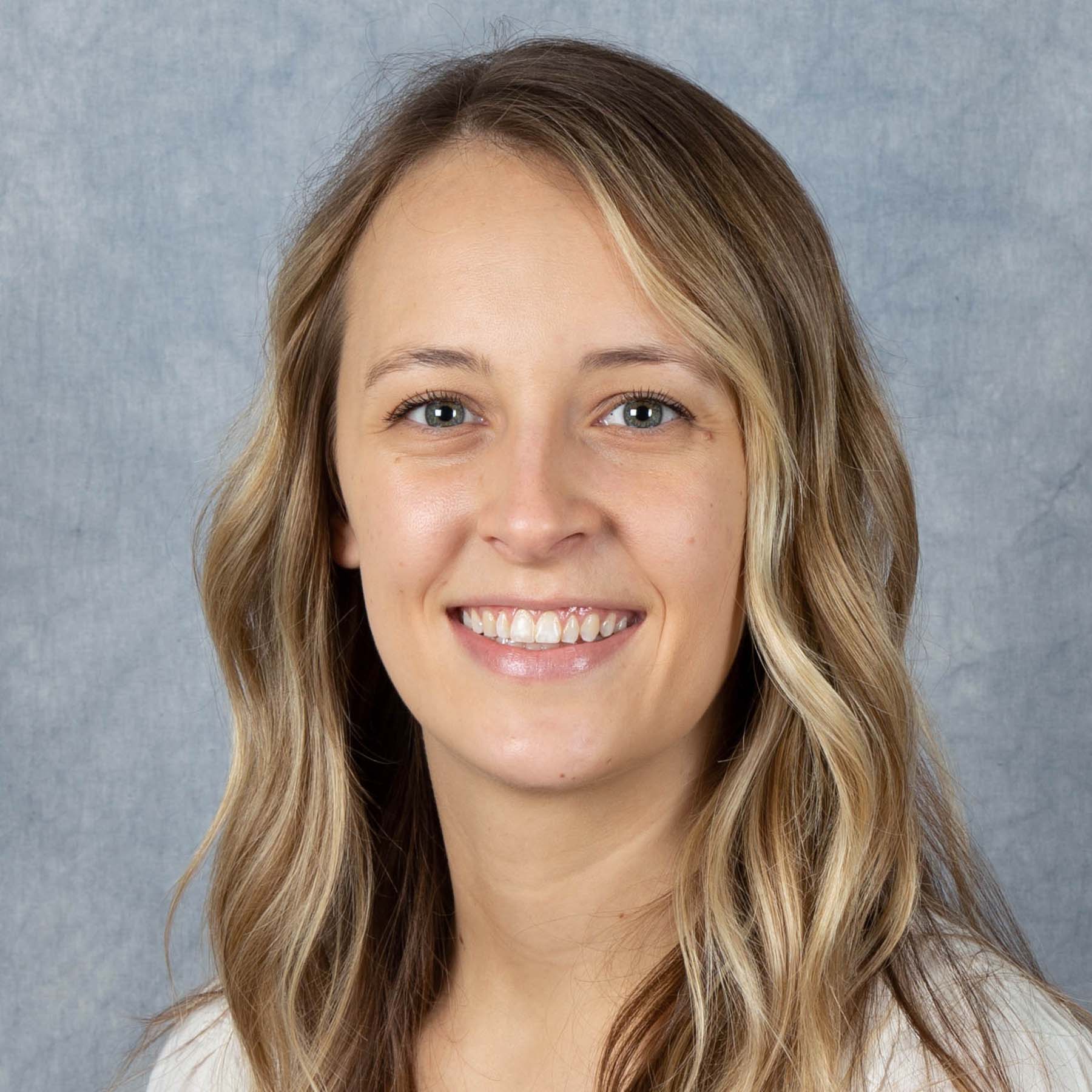
  • Haley Berkland, MS

    Haley is an LC applications scientist at Restek. She attended Duquesne University, receiving her bachelor's degree in biochemistry and a master's degree in forensic science and law. As a graduate student, she performed research on the detection of drugs of abuse in vitreous humor by LC-MS/MS. Before joining Restek in 2023, Haley spent four years working as a forensic toxicologist. While in this role, she performed analysis of postmortem toxicology casework, identification of seized drug evidence, and development/validation of new assays by LC-MS/MS, GC-MS, and GC-FID.

    View all posts
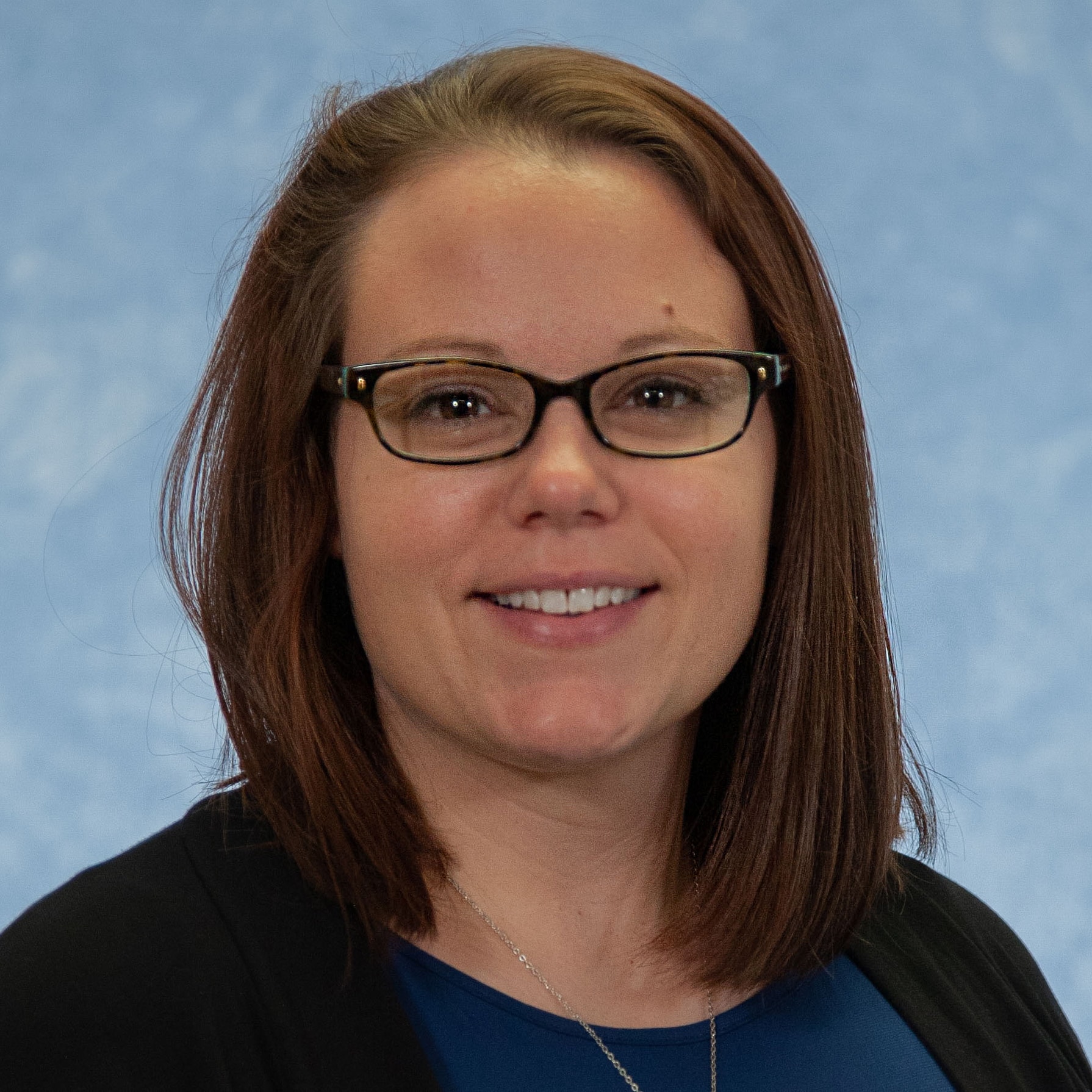
  • Melinda Ulrich

    Melinda “Mel” Urich is an applications scientist in the LC Solutions department. Her primary focus is on the development of novel applications in the cannabis and food markets. In her previous role at Restek as an LC manufacturing chemist, she led the synthesis of silica, bonding of stationary phases as well as new process implementations and improvements. Mel attended Juniata College where she earned her BS in Chemistry and performed research in Atomic Force Microscopy AFM).

    View all posts
  • Justin Steimling
  • Jamie York, PhD

    Jamie York is a scientist in the Applications Lab at Restek Corporation in the LC Solutions department, where she works on the development of novel applications for the food, clinical, and cannabis markets. She earned her PhD in chemistry from The University of Texas at Arlington in 2019. There, she mastered many analytical techniques including gas chromatography–vacuum ultraviolet; gas chromatography–mass spectrometry; matrix-assisted laser desorption/ionization; and liquid chromatography–mass spectrometry with a focus on food and environmental research. Jamie continued her post-doctoral work at The University of Texas at Arlington with a focus on the analysis of mammalian cell culture media by LC-MS/MS.

    View all posts
GNOT5309