With Raptor LC columns, Restek chemists became the first to combine the speed of 2.7 and 5 μm superficially porous particles (also known as SPP or “core-shell” particles) with the resolution of highly selective USLC technology, improving separations and speeding up analysis times with standard HPLC instruments. Raptor then evolved to bring that same improved speed, efficiency, and selectivity to UHPLC analyses by offering 1.8 μm particle columns. Learn more about Raptor LC columns at www.restek.com/raptor
With the addition of Raptor FluoroPhenyl columns, Restek further expanded the speed and reliability of Raptor column technology into the HILIC realm. Restek’s Raptor FluoroPhenyl phase offers chromatographers the ability to run in reversed-phase or HILIC mode for a variety of compounds. The Restek Raptor FluoroPhenyl column is also amenable to LC-MS because it is extremely reliable and efficient with acidic mobile phases.
Switch to a Raptor FluoroPhenyl LC column for reliable performance in both reversed-phase and HILIC modes.
Column Description:
Stationary Phase Category:
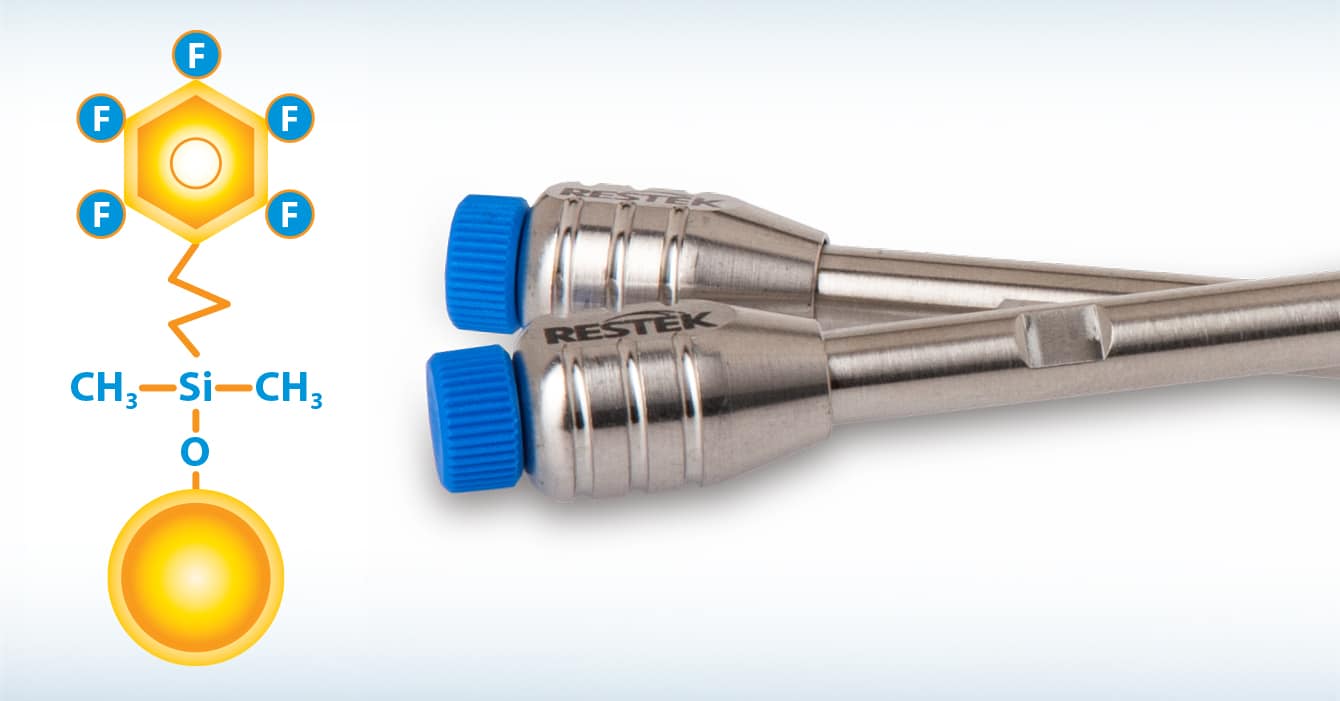
Pentafluorophenyl propyl (L43)
Ligand Type:
Fluorophenyl
Particle:
1.8 μm, 2.7 μm, or 5 μm superficially porous particle (SPP or “core-shell” particle) silica
pH Range: 2.0–8.0 Maximum Temperature: 80 °C Maximum Pressure: 1034 bar/15,000 psi* (1.8 μm), 600 bar/8700 psi (2.7 μm); 400 bar/5800 psi (5 μm) * For maximum lifetime, recommended maximum pressure for 1.8 μm particles is 830 bar/12,000 psi.
Properties:
Capable of both reversed-phase and HILIC separations.
Ideal for increasing sensitivity and selectivity in LC-MS analyses.
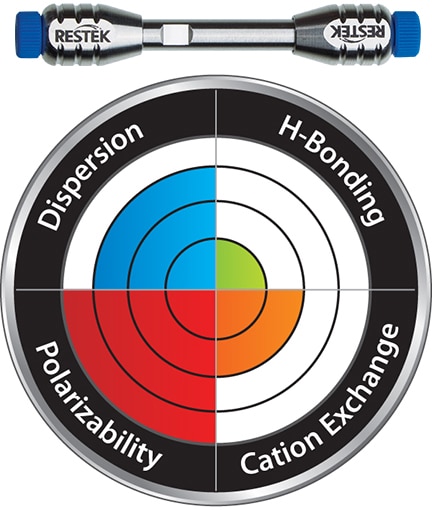
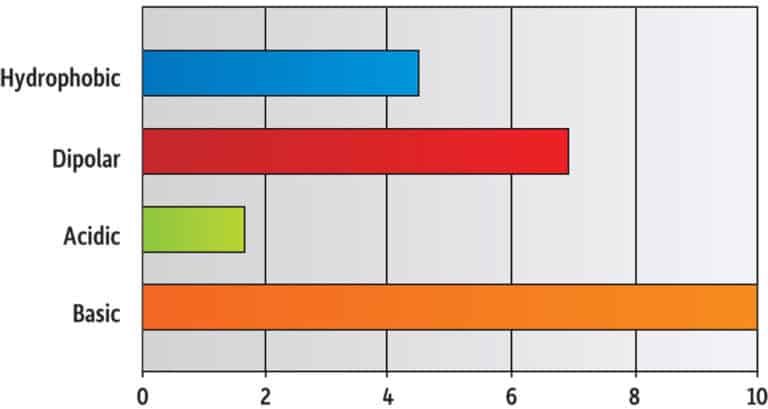
Offers increased retention for charged bases.
Switch to a Raptor FluoroPhenyl LC column when:
You observe limited retention and selectivity on a C18 for basic compounds
You need increased retention of hydrophilic compounds.
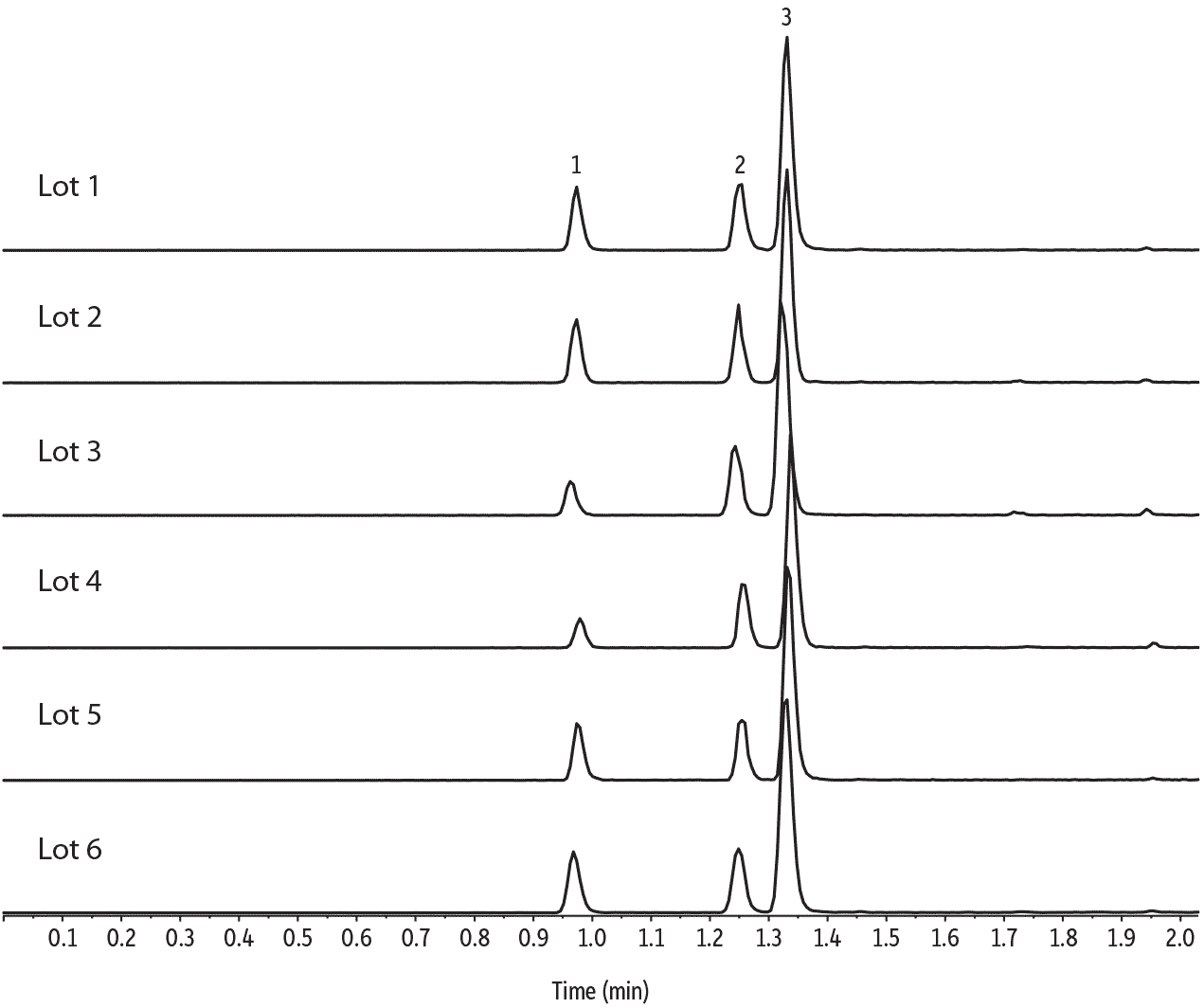
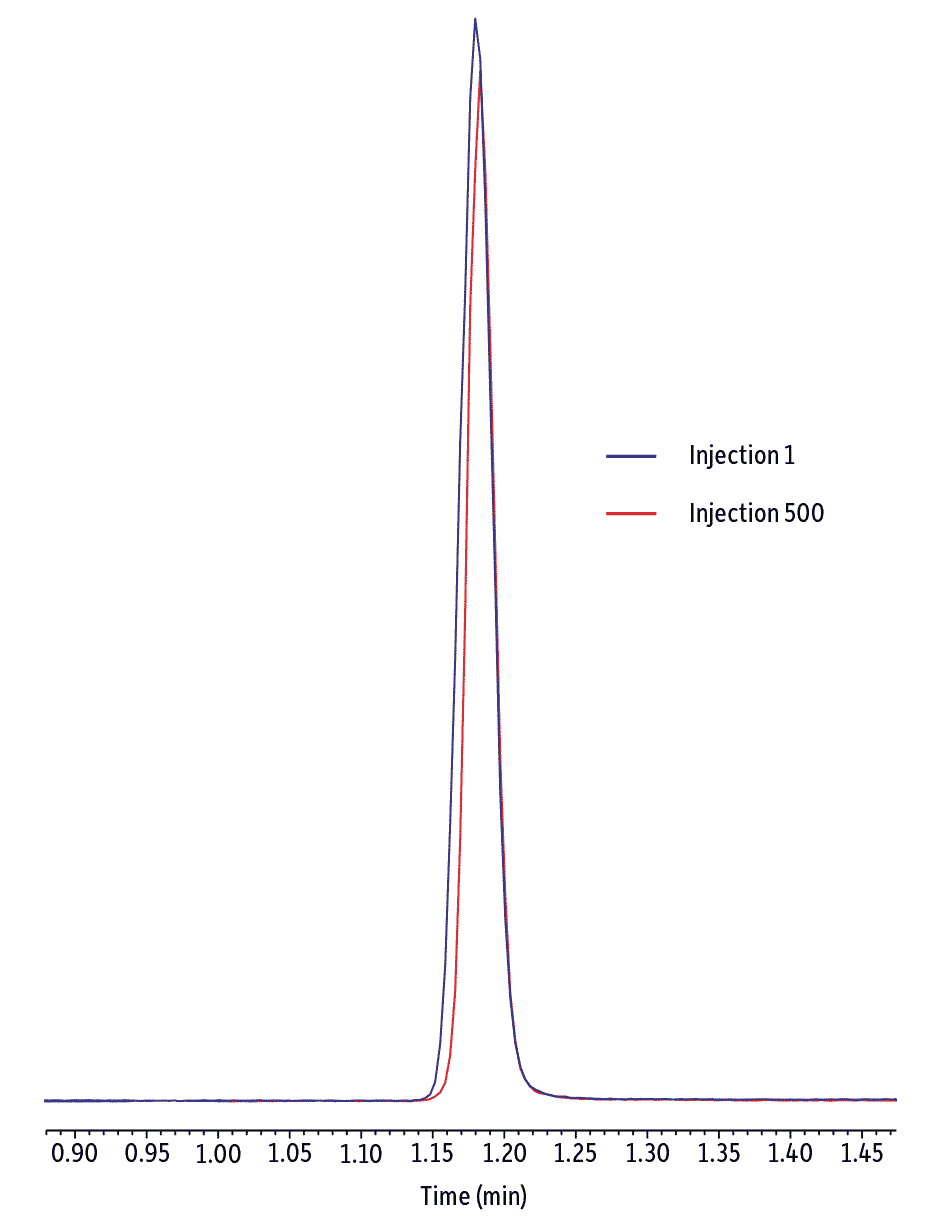
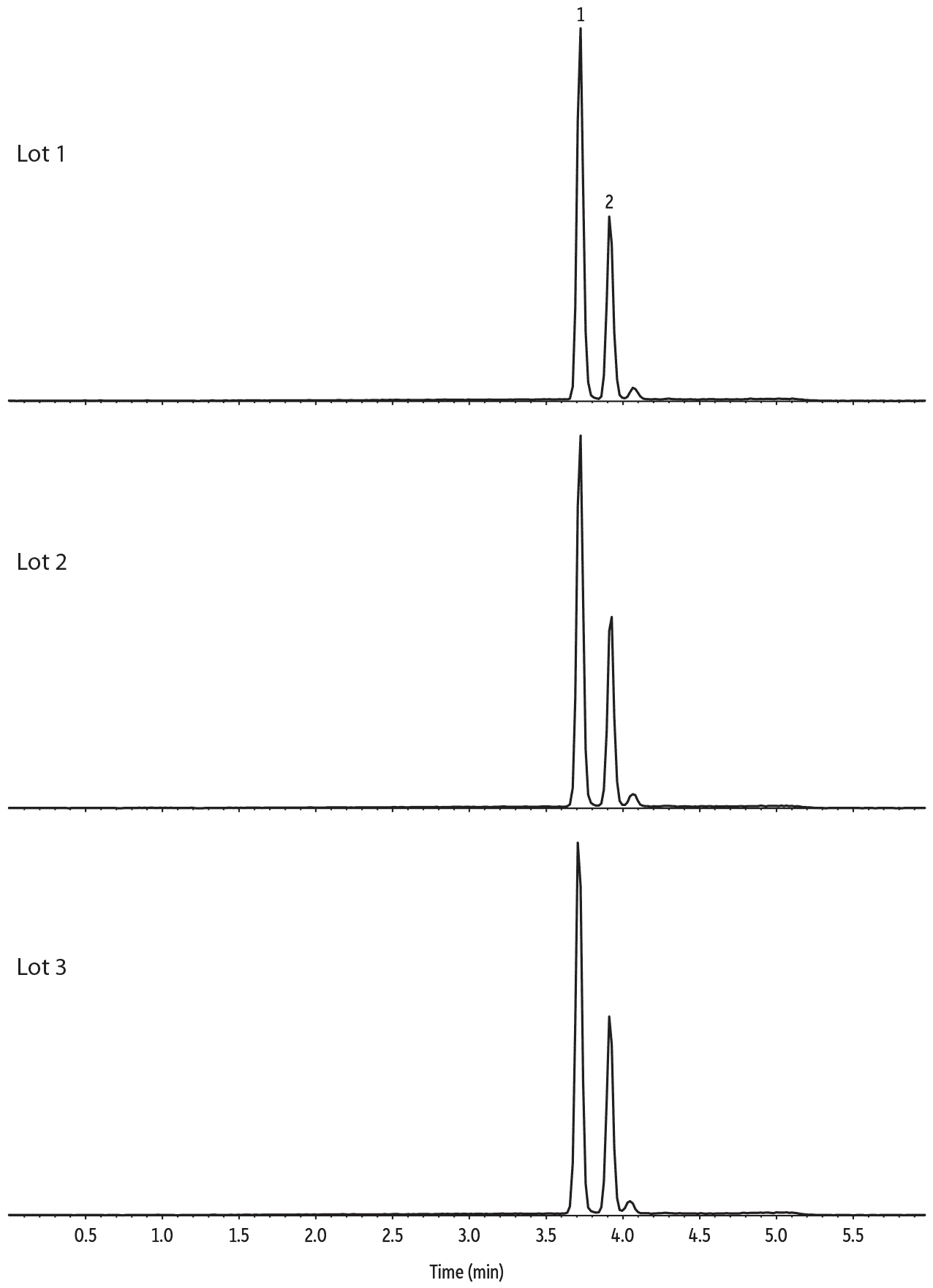
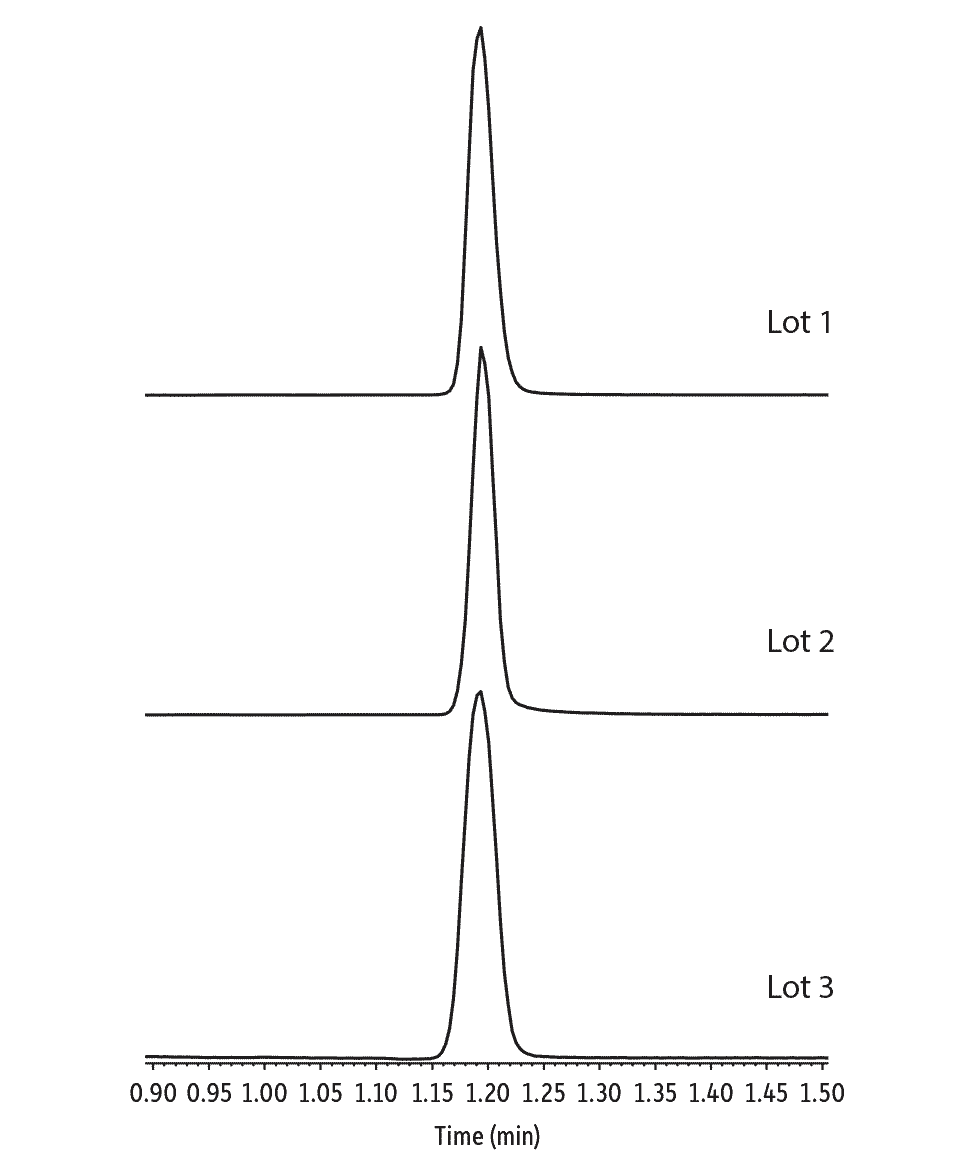
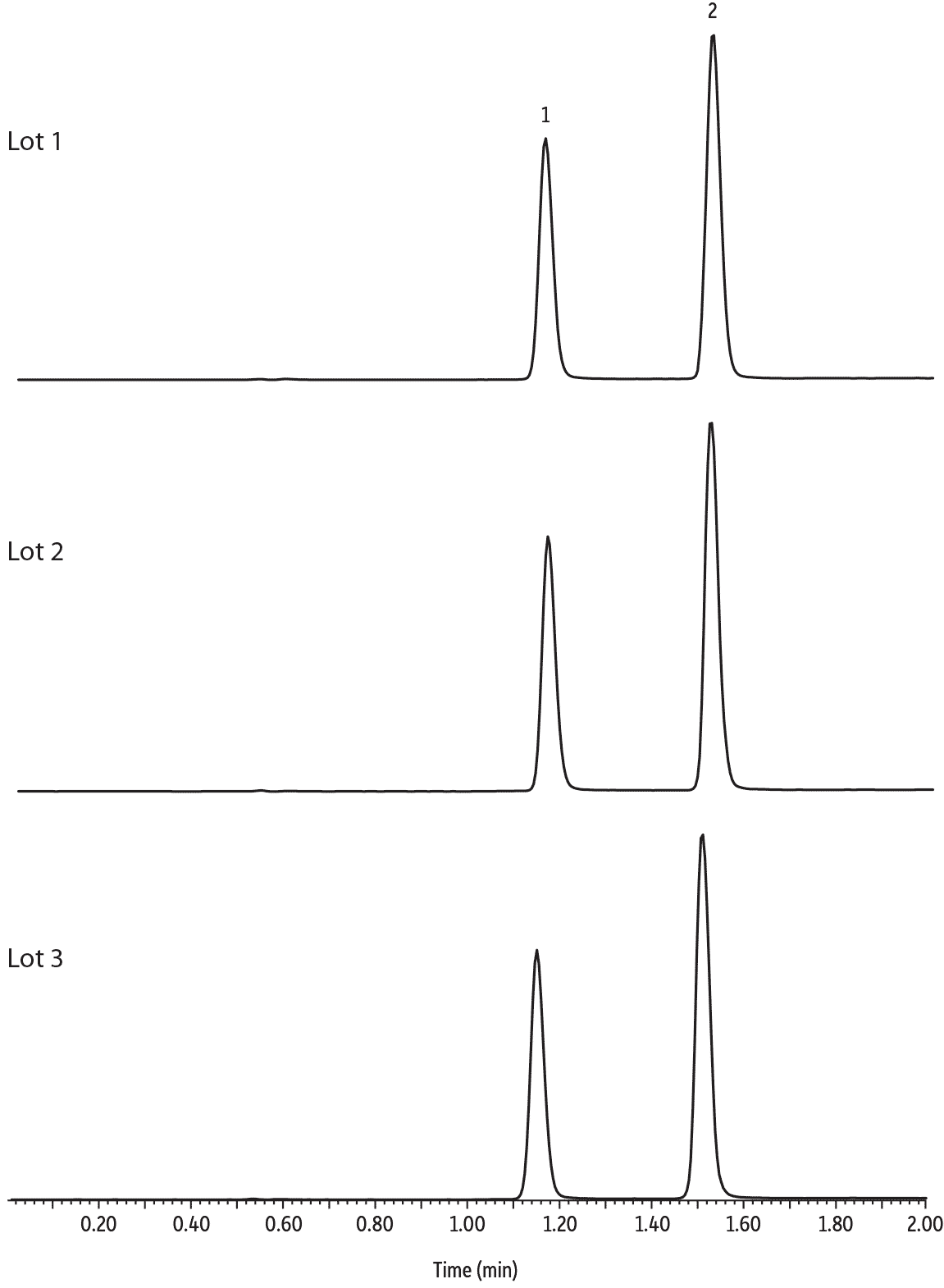
Of course, Raptor FluoroPhenyl columns are rugged; that is to be expected. And, they are exceptionally reproducible as well. Reproducibility can be an issue for fluorinated phenyl phases, which is why we engineered all our columns for dependable performance. Lot to lot, column to column, and injection to injection, every Raptor FluoroPhenyl column gives a consistent performance that you can count on: consider it done.
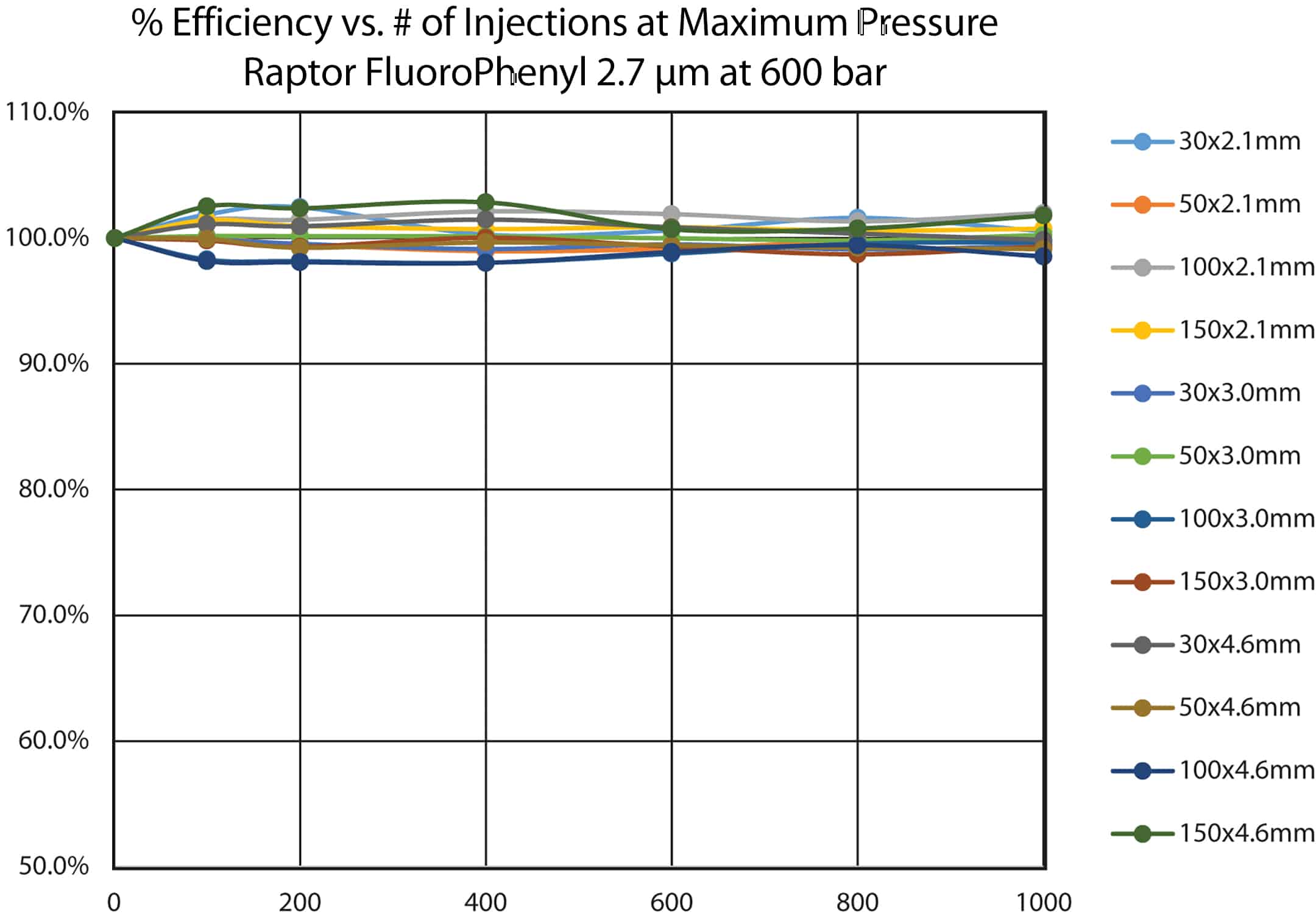
Figure 1: Raptor FluoroPhenyl columns maintain efficiency in any dimension or particle size—even at their maximum recommended operating pressures—so you can run at high linear velocities with confidence.
Figure 2: Strict quality control ensures Raptor FluoroPhenyl columns are exceptionally reproducible, so you get predictable performance from every column.
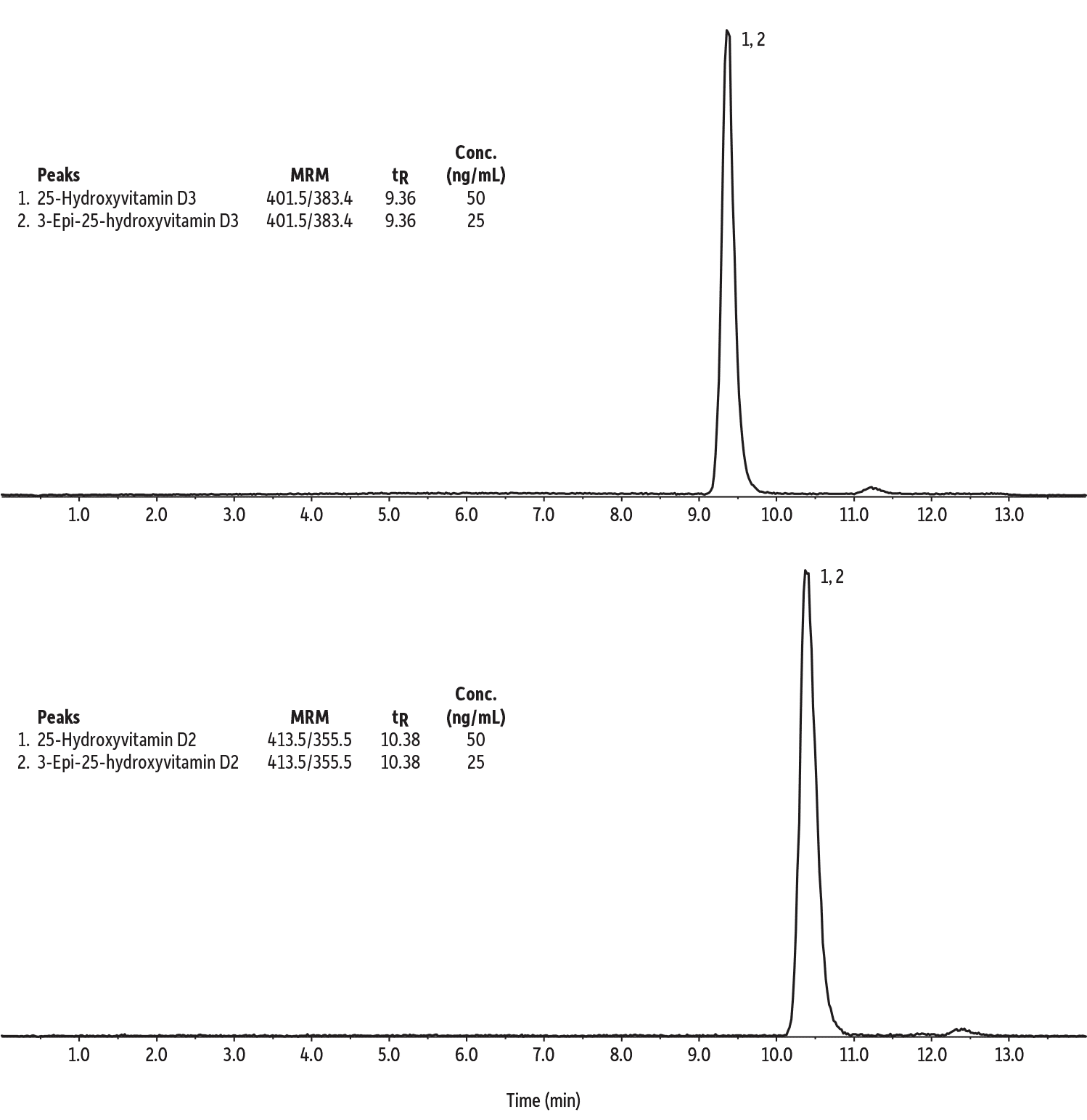
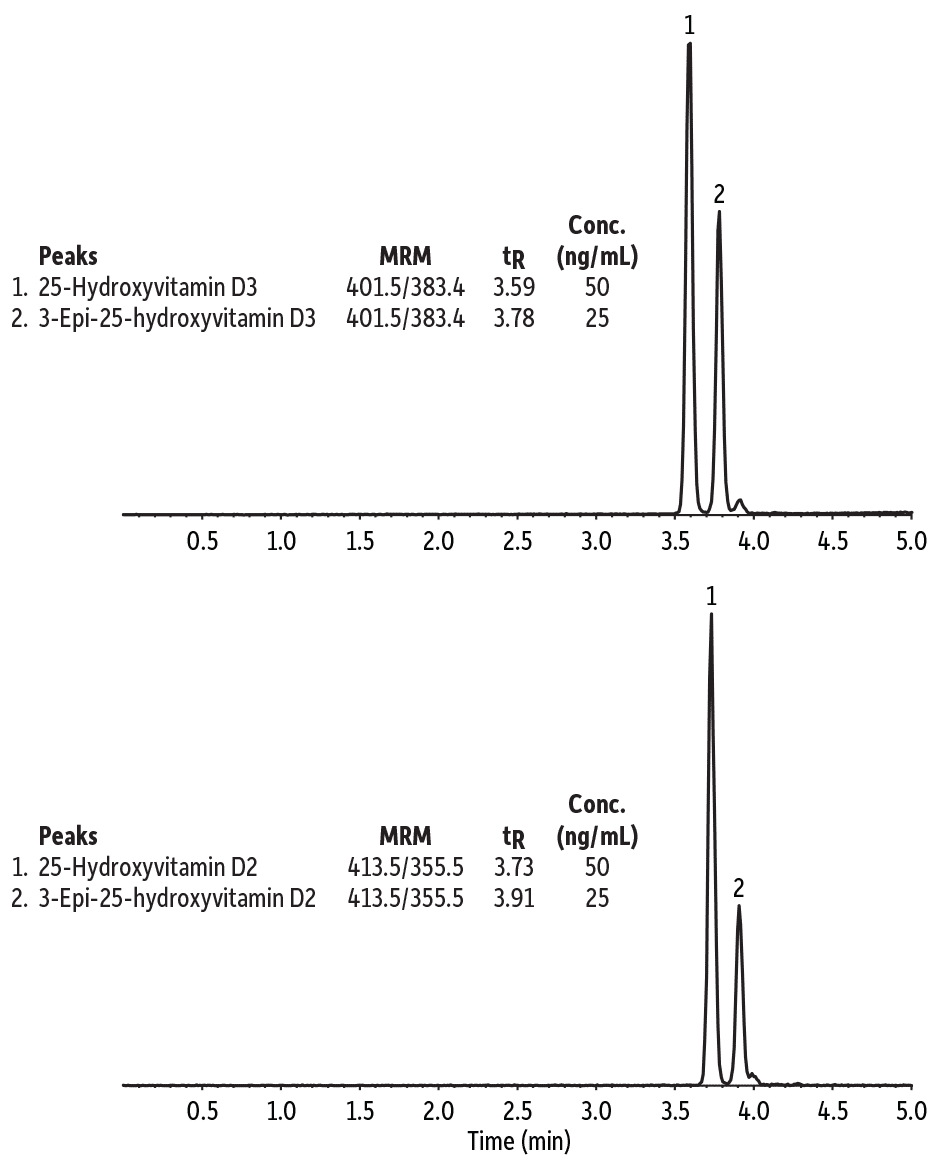
C18 columns work well for many compounds, but they just don’t work for everything. Raptor FluoroPhenyl columns can provide greater selectivity and retention for analytes that are not easily separated by C18 phase chemistry. For example, interest in vitamin D status is on the rise in clinical diagnostics, but accurate analysis is only possible if the epimeric forms of both vitamin D2 and D3 25-hydroxy metabolites can be distinguished. Typical reversed-phase C18 columns cannot separate these isobaric epimers, which differ in bioactivity, but the new Raptor FluoroPhenyl column provides adequate chromatographic resolution so accurate results are generated and the proper diagnosis can be made.
Figure 4: Reversed-phase C18 columns do not have the right selectivity or retention mechanism to separate the epimers of vitamin D2 and D3 25-hydroxy metabolites.
Epimers do not separate on a C18, even in a 14-minute analysis time.
Figure 5: Raptor FluoroPhenyl columns have the selectivity and retention you need to quickly and easily separate compounds that coelute on a C18, such as the epimeric forms of vitamin D2 and D3 25-hydroxy metabolites.
Raptor FluoroPhenyl columns easily separate compounds that coelute on a C18.
Get the Power of HILIC and RP Modes in One LC Column
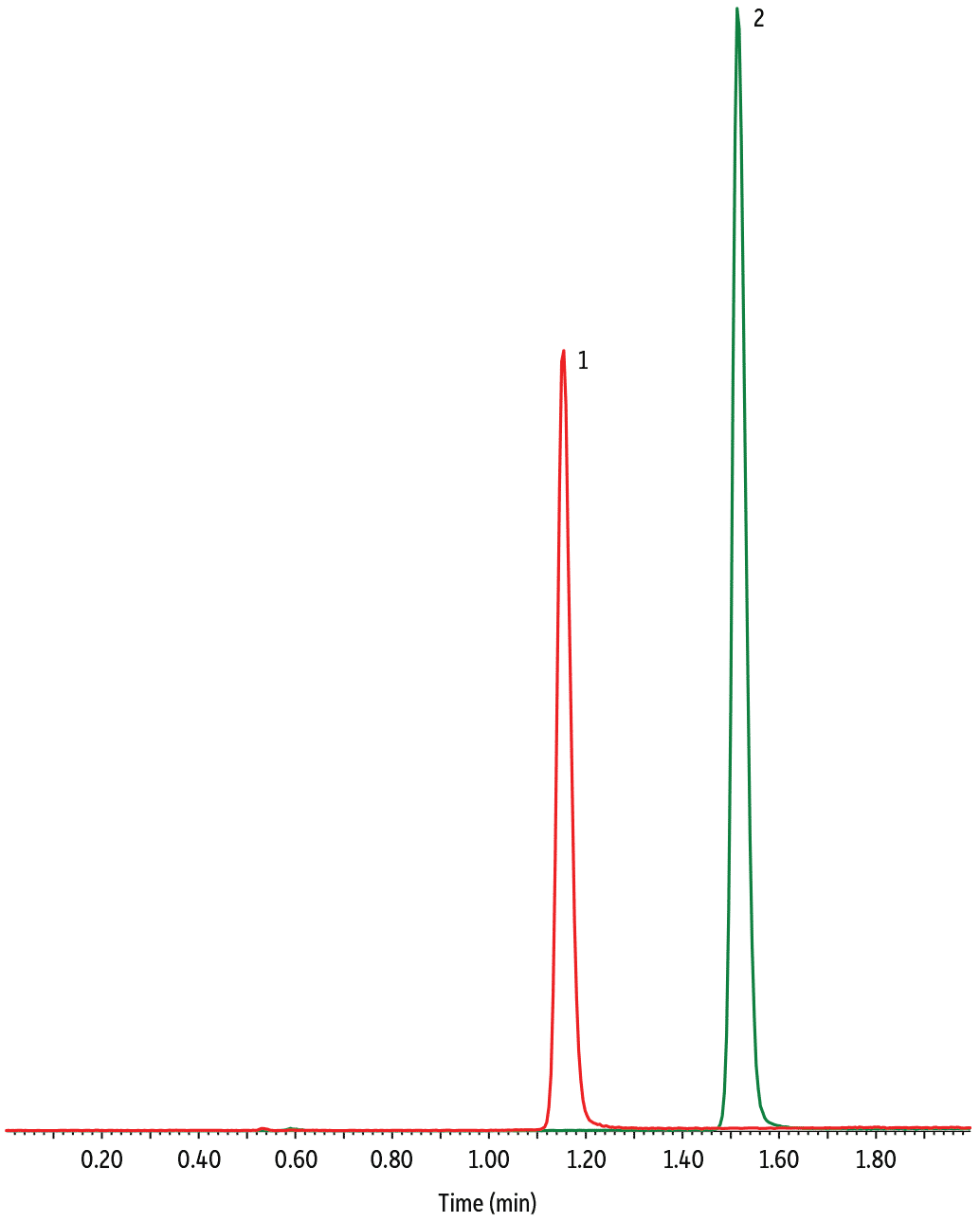
HILIC chromatography is becoming the go-to solution for compounds that are difficult to retain on a C18. The Raptor FluoroPhenyl column gives chromatographers the flexibility to evaluate compound retention in both reversed-phase and HILIC modes. The analysis of 4-methylimidazole (4-MEI), which is a byproduct of caramel coloring in foods and beverages, can be problematic by reversed-phase chromatography due to very limited retention. However, 4-MEI is well retained on a Raptor FluoroPhenyl column and can easily be analyzed using HILIC mode and simple LC and LC-MS/MS compatible mobile phases.
Figure 6: Sometimes, adequate retention cannot be obtained with a C18. The Raptor FluoroPhenyl column performs dependably in either HILIC or RP mode, so you can use the mode that is best for your analytes.
Raptor FluoroPhenyl columns give you the flexibility to work in both reversed-phase and HILIC modes.
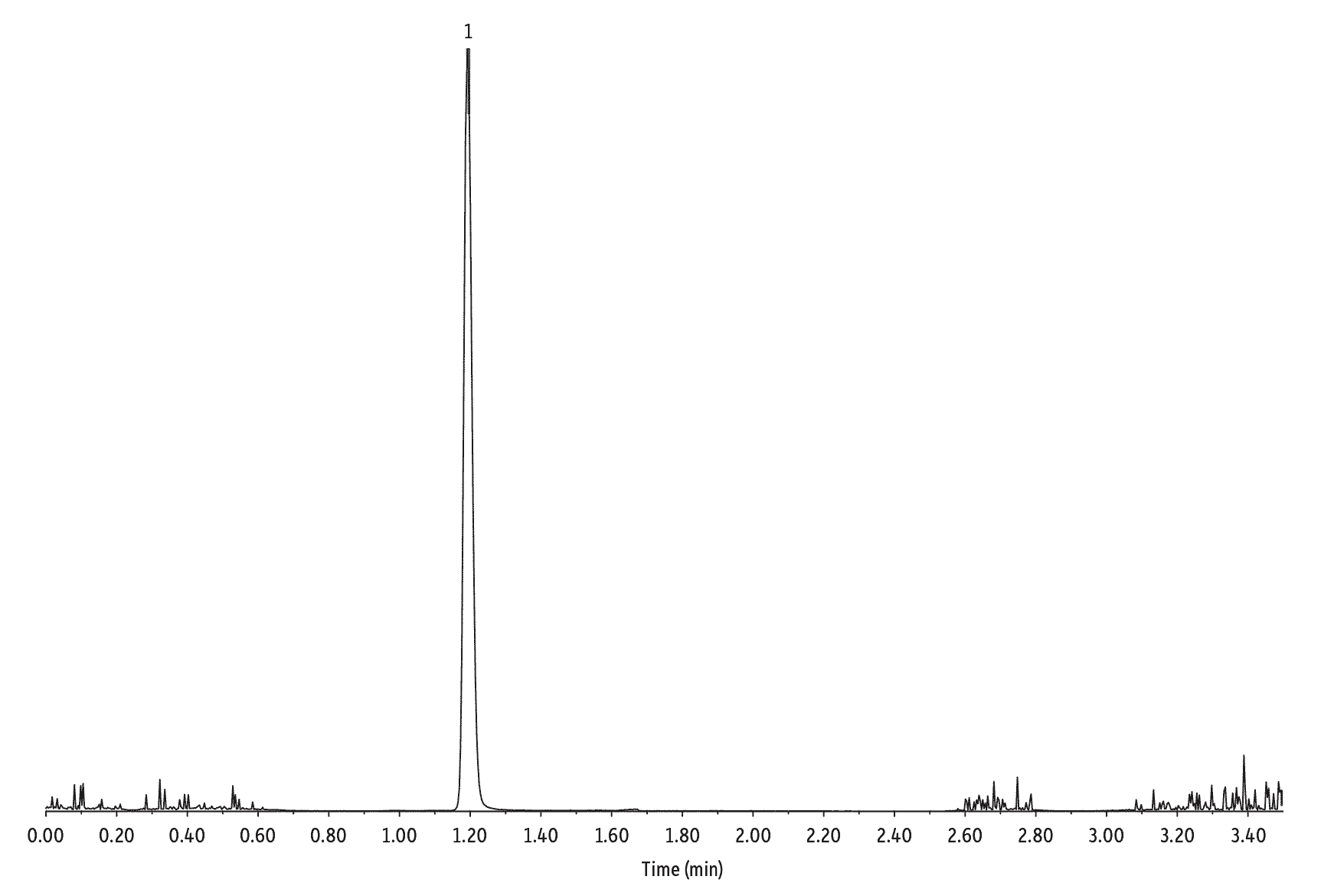
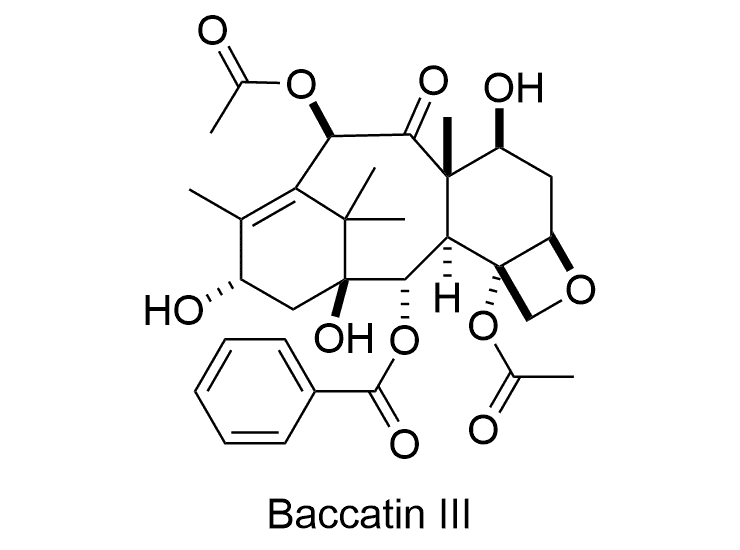
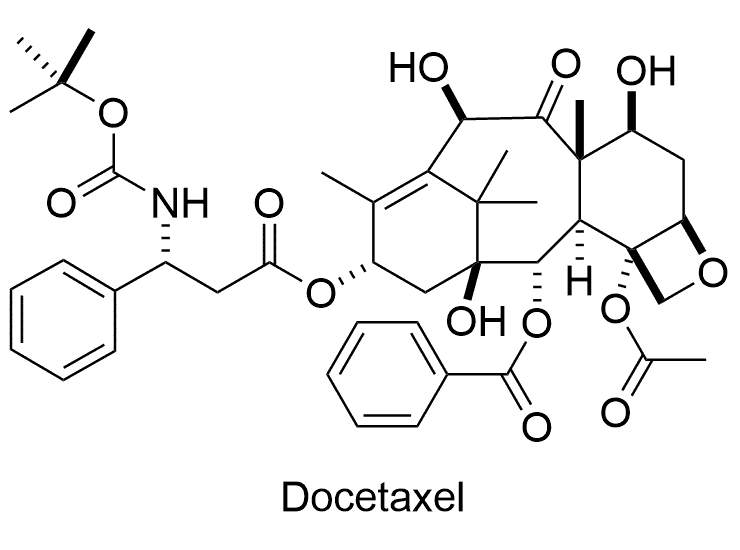
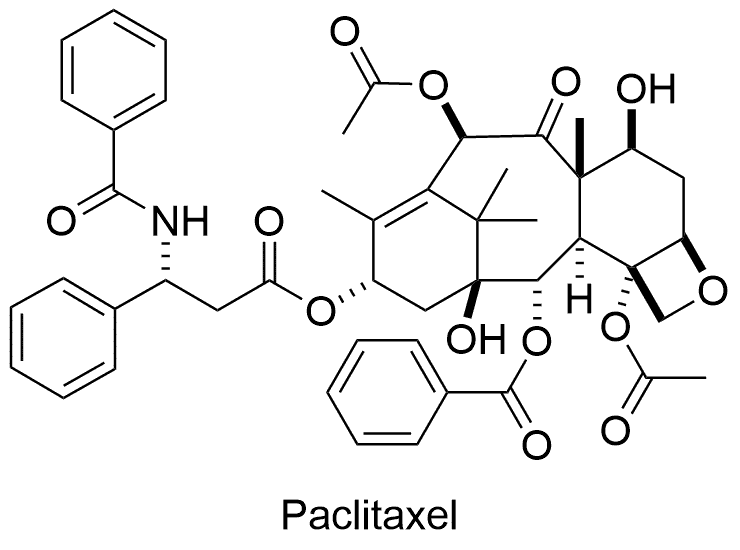
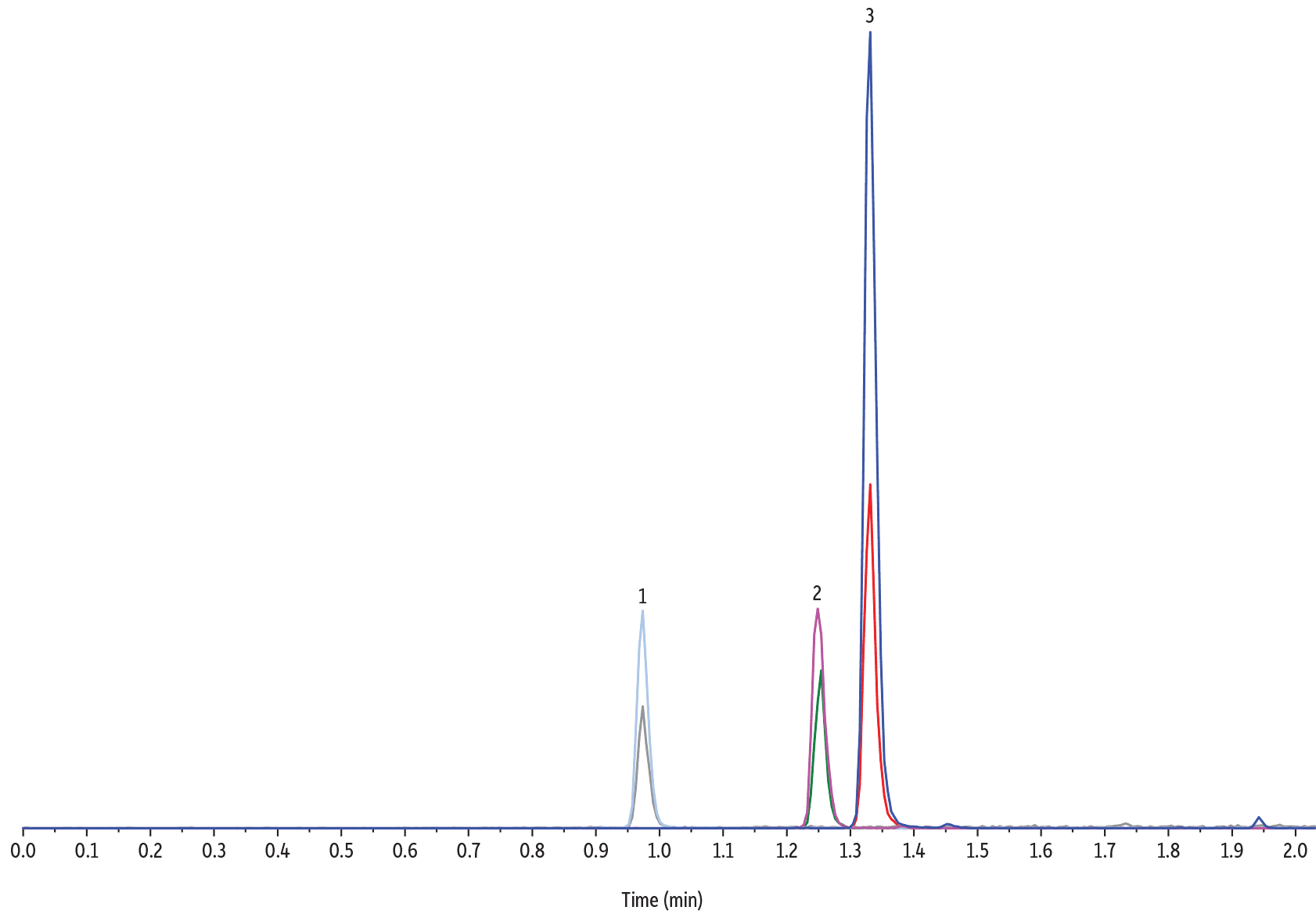
Taxane drugs—such as paclitaxel, docetaxel, and their precursor, baccatin III—are early chemotherapy treatment options. Accurate analysis is critical because these drugs are used for many types of metastatic cancers. As shown here, the selectivity of the Raptor FluoroPhenyl column provides excellent retention and resolution of these structurally similar compounds. Reliable results for these basic compounds can be obtained in fast analysis times using LC-MS/MS friendly solvents.
Figure 7: Raptor FluoroPhenyl columns allow taxane drugs and other basic compounds to be separated quickly and effectively.
Raptor FluoroPhenyl columns have the retention needed for fast, accurate analysis of basic compounds.
The analysis of normetanephrine and metanephrine provides another example of the power of Raptor FluoroPhenyl columns for analyzing basic compounds. Accurately determining these metabolites of epinephrine/norepinephrine in plasma or urine is one of the best diagnostic tests for neuroendocrine tumors (pheochromocytomas). Normetanephrine and metanephrine are difficult to retain by typical C18 reversed-phase chromatography; however, the Raptor FluoroPhenyl column provides a simple, fast chromatographic solution to this challenging assay. The Raptor FluoroPhenyl column’s unique combination of aromatic retention and cation exchange mechanisms are not provided by a C18 column and result in reliable, high-quality separations.
Figure 8: Rapid analysis of metanephrine and normetanephrine on a Raptor FluoroPhenyl column.
Restek is a leading provider of chromatography columns, accessories, and certified reference materials. Trust Restek for reliable, high-quality analytical solutions.