
Blogs

[9] クロマトグラムからわかること ピーク形状 .. 一つの化合物が複数のピークに

29 May 2013

クロマトグラムは指紋のようなものです。 クロマトグラムを”読む”ことができれば、
その原因を推測することができます。このシリーズでは、ユーザーの皆様からいただいた
GCクロマトグラムを示し、そこに現れている現象の潜在的な原因について説明しましょう。
そして解決策を考えてみましょう。

図1のクロマトグラムでは、一つの化合物が複数のピークに分かれています。*で印をつけたピークは全てジクロベニルと同定されています。注入過程でなんらかの理由で注入バンドが複数形成されてしまったのです。 
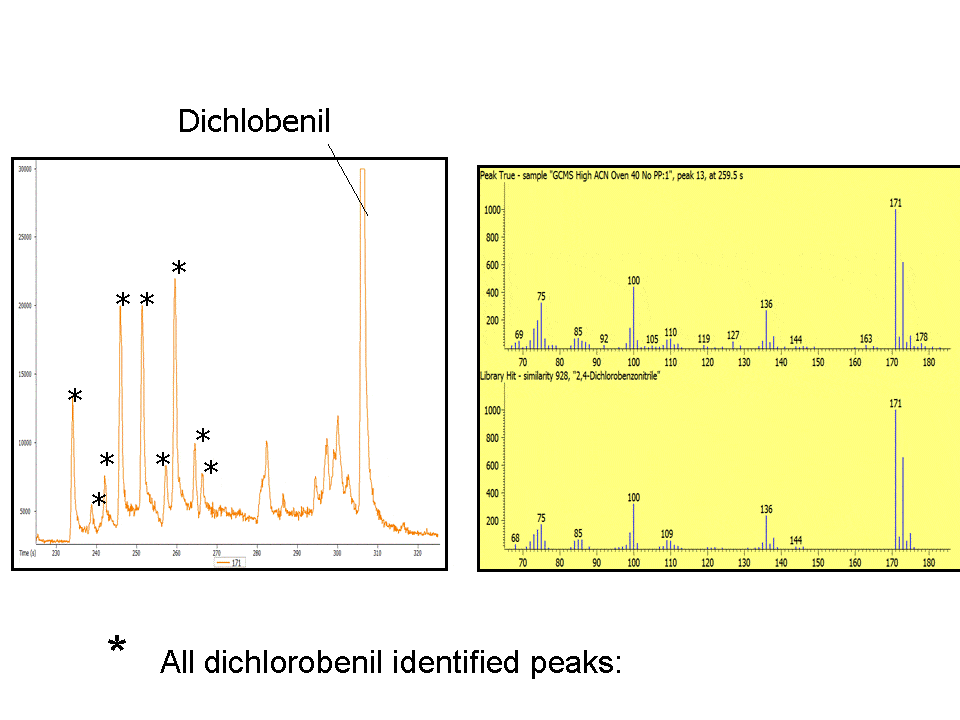
dichlobenil identified peaks

図1. 注入におけるトラブル。一つの化合物が複数のピークに分かれている。

ここでは、溶媒としてアセトニトリルが使用されています。アセトニトリルは極性溶媒です。Rxi-5Sil MSのような非極性の固定相を用いてスプリットレス注入をおこなうと、凝縮したアセトニトリルが 液滴を形成します。このような液滴は簡単にカラム内を数メートル移動し、余分な注入バンドを形成します。その結果、複数のピークが形成され、同じ成分が別のピークとして検出されます。
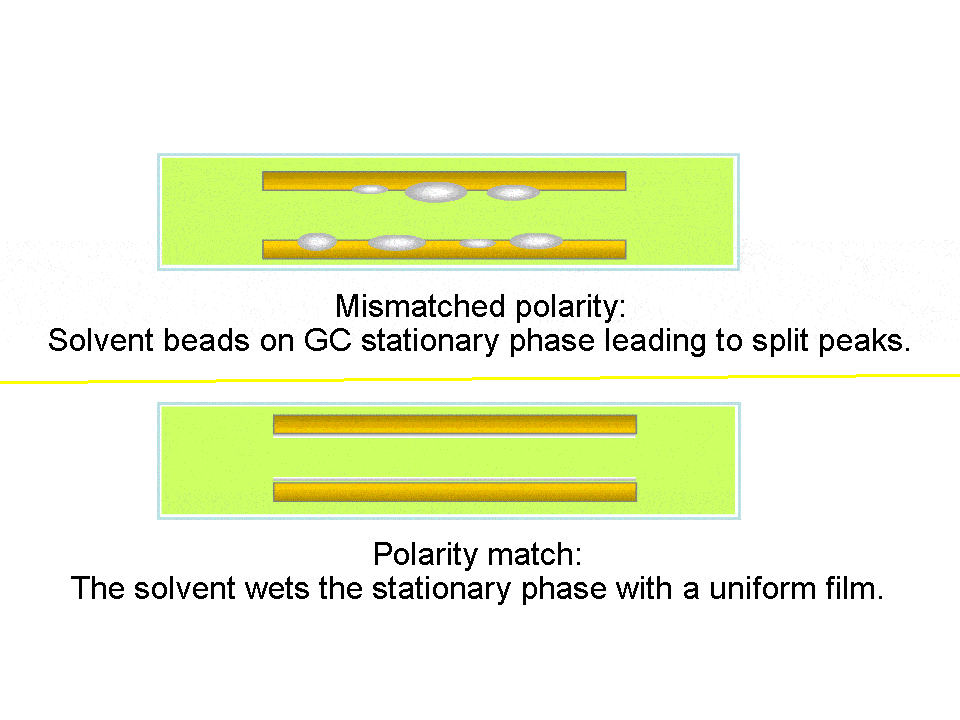
illustrations showing mismatched polarity and a polarity match

図2.非極性な表面上の極性溶媒は液滴を形成します。この液滴が複数の注入バンドを形成します。

この原因は、溶媒と固定相の極性ミスマッチにあります(図2)。この影響は固定相、溶媒の種類、オーブン初期温度および導入される溶媒の量に強く依存します。

液滴の形成による影響は、以下によって最小限に抑えることができます。

–          非極性固定相では非極性溶媒を使用する

–         極性固定相では極性溶媒を使用する

–         できる限り注入量を減らす

–         より高いオーブン温度にする

–          リテンションギャップもしくは極性の異なるプレカラムを使用する
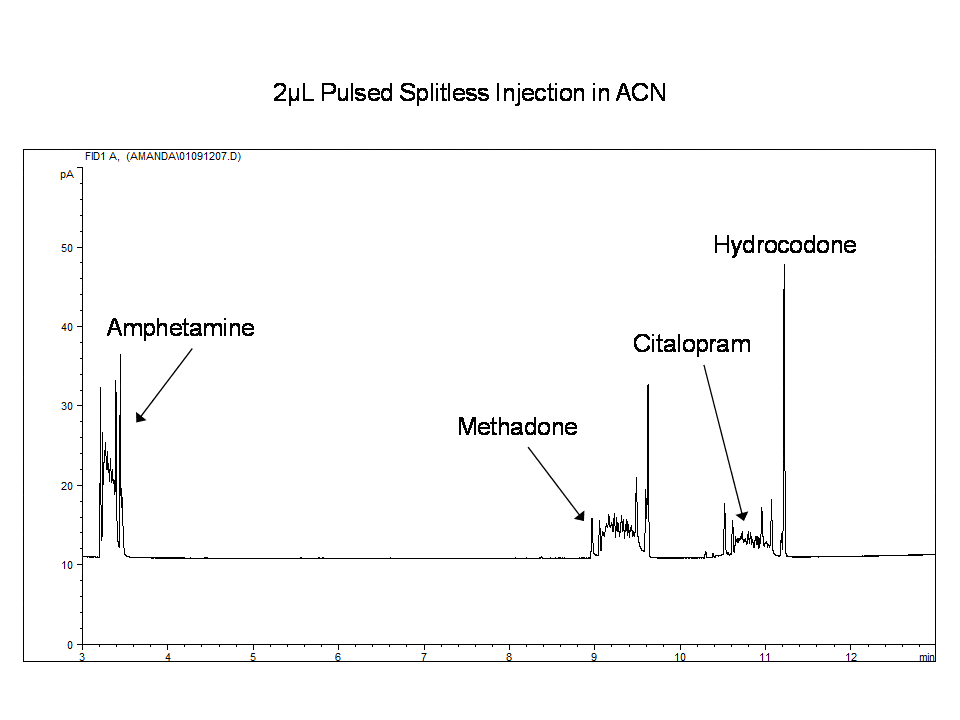
chromatogram showing 2µL pulsed splitless injection in ACN

図3. 液滴の形成が多い場合に生じる例。主成分の前にピークの森が・・・。

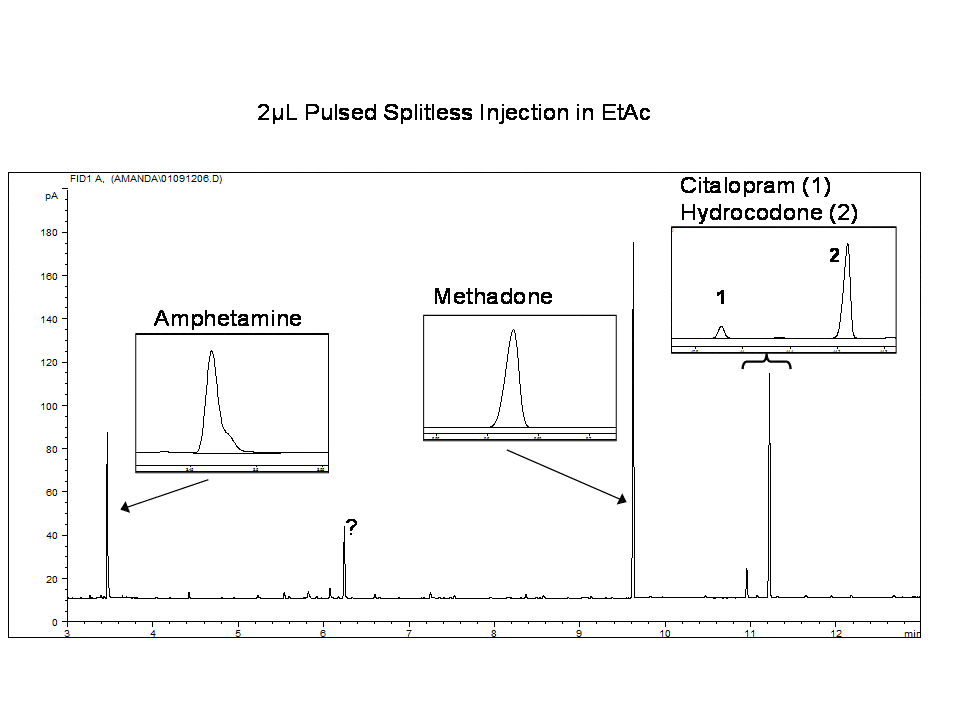
chromatogram showing 2µL pulsed splitless injection in EtAc

図4. アセトニトリルにトルエンを添加すると、液滴の形成が著しく減少しました。このアプローチは興味深く、もう少し検討することができるでしょう。

その他の解決法は、固定相の極性とより相性のよい溶媒を使用することです。2 µL のアセトニトリル注入と非極性固定相を用いた場合の複数ピークの別の例を図3に示します。溶媒を酢酸エチルに置き換えて同様の条件で分析すると、図4に示すような1本のシャープなピークになります。

また、トルエンのような別の溶媒と混合することもできます。

The original blog was published on May 30, 2013 @ 08:54.

Author

  • Jaap de Zeeuw

    Jaap is a world-renowned chromatographer with over 40 years of experience, including 15 years with Restek and 27 years with Varian/Chrompack prior to joining Restek. Throughout his career, Jaap has focused the chromatographic challenges of industrial analysis. For his 1979 graduation from The Institute for Higher Education, where he specialized in chemistry, Jaap authored a paper titled "The Challenge of Coating Flexible Fused Silica Capillary Columns" and has since distinguished himself as an authority on the subject. Jaap has been directly involved with the creation of numerous chemically bonded columns, including the first bonded PEG column and the stabilized PLOT columns widely used in the petrochemical arena. He has also helped develop new techniques, such as fast GC-MS using vacuum GC technology (low-pressure GC or LPGC). Over his innovative career, he has filed several patents for his work. Based out of the Netherlands, Jaap is extensively published and regularly travels internationally to share his knowledge. After retiring from Restek, Jaap founded CreaVisions, where he works as a GC Consultant and teaches master classes on key GC topics as well as on creativity in science.

    View all posts
GNBL4562-JA