


Blogs

GCでNO、N2O 、NO2 は分析できますか?

29 Feb 2012

2011-jaap-pasfoto4

この質問は毎年何回も聞かれます。昔Chrompack社で一緒に働いていた Dick Zwiep はこの質問に、 No 、 No-two!と冗談まじりに答えていました。

問題はN2Oではなく、NO と NO2です。NO と NO2 は反応しやすかったり平衡状態にあるため、定量は困難です。

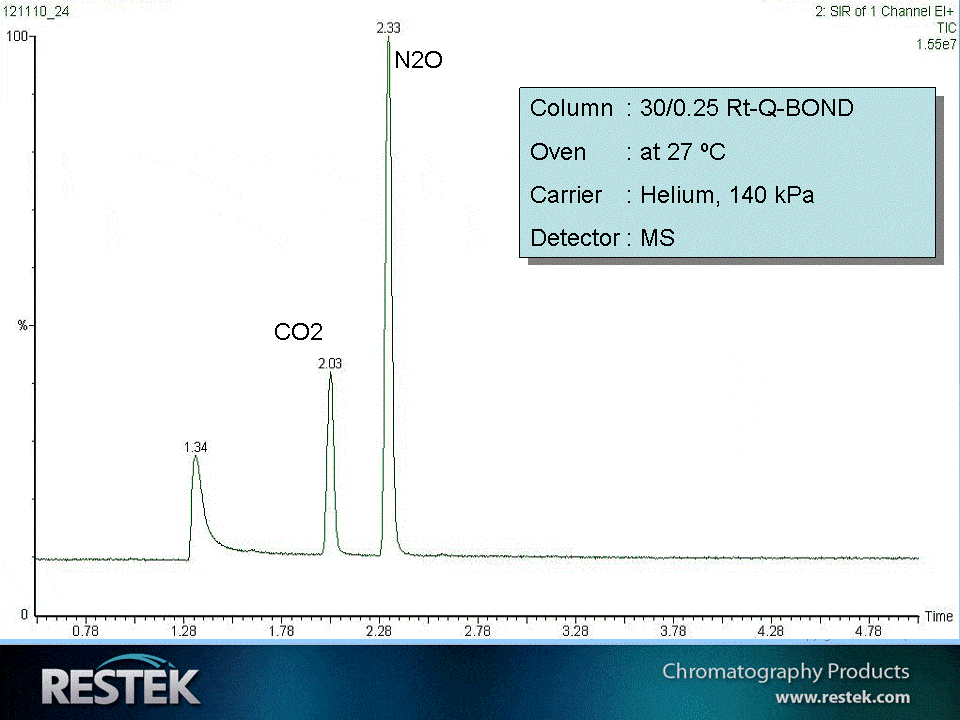
N2O(亜酸化窒素)は”笑気ガス”とも呼ばれ、GCで分析するのはとても簡単です。 Rt Q-BONDのような多孔性ポリマータイプの固定相を用いて分析できます(図1. 参照)。 N2Oの溶出はかなり早いので、スプリット注入が適しています。このアプリケーションでは検出器にMSを使用しているため、内径 0.25mmの PLOT カラムを使用しています。 N2O の検出にはECDもよく使用されます。
decorative

図1. 亜酸化窒素のピークは Rt-Q-BONDの多孔性ポリマーから対称なピークとして溶出してきます。

NO(一酸化窒素)の測定はかなり困難です。酸素に触れると、 NOは赤褐色のNO2 (二酸化窒素)になります。

2 NO + O2 → 2 NO2

これがこの測定の課題の一つです。NOはO2と直ちに反応します。 O2が存在しない場合は、NOはほとんどのカラムから溶出してきますが、保持は極めて弱いものです。多孔性ポリマータイプの固定相でさえ、永久ガスと共溶出します。

NOはモレキュラーシーブタイプの吸着剤に保持され、測定することができますが、ピーク形状は通常対称ではなく、低濃度の測定は困難です。

NO/NO2 の反応速度論のモデルについては、下記をご参照ください:http://www.chem.tamu.edu/rgroup/hughbanks/courses/102H/lecturenotes/class12-1.pdf

NO2 (二酸化窒素) はGCで分析するのが最も困難です。 NO2 はN2O4(四酸化二窒素)と平衡状態で存在します:

2 NO2 <=>     N2O4
decorative

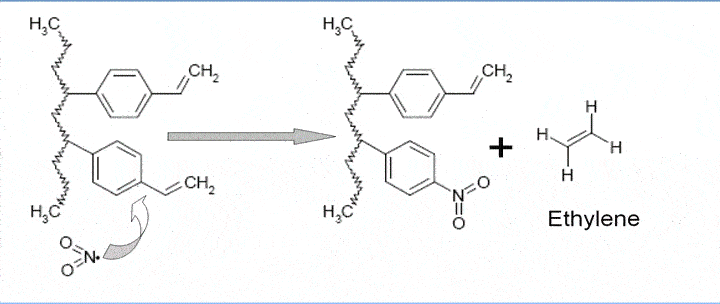
図2. ビニルベンゼンベースの多孔質ポリマーのNO2との反応により定量は困難になります。

この分析にはいくつかのアプリケーションがあります。最もわかりやすいものは多孔質ポリマーを使用したものですが、二酸化窒素は多孔性ポリマーと反応してエチレンピークを形成します(図2.) 。これは入り口部分の熱で NO2をエチレンに変換することにより、間接的に NO2 を測定する方法かもしれませんが、変換は定量的ではないと考えられます。

NO2 分析に最適なカラムはシリカゲルになると推測できますが、データは限られています。

低濃度の検出にはMS、ECDおよびPDDを使用できます。TCDでも検出は可能ですが、ppmレベルの測定のみになります。

The original entry of this blog was posted on Thursday, March 1st,2012 at 10:10 am and is filed under Optimizing Applications.

Author

  • Jaap de Zeeuw

    Jaap is a world-renowned chromatographer with over 40 years of experience, including 15 years with Restek and 27 years with Varian/Chrompack prior to joining Restek. Throughout his career, Jaap has focused the chromatographic challenges of industrial analysis. For his 1979 graduation from The Institute for Higher Education, where he specialized in chemistry, Jaap authored a paper titled "The Challenge of Coating Flexible Fused Silica Capillary Columns" and has since distinguished himself as an authority on the subject. Jaap has been directly involved with the creation of numerous chemically bonded columns, including the first bonded PEG column and the stabilized PLOT columns widely used in the petrochemical arena. He has also helped develop new techniques, such as fast GC-MS using vacuum GC technology (low-pressure GC or LPGC). Over his innovative career, he has filed several patents for his work. Based out of the Netherlands, Jaap is extensively published and regularly travels internationally to share his knowledge. After retiring from Restek, Jaap founded CreaVisions, where he works as a GC Consultant and teaches master classes on key GC topics as well as on creativity in science.

    View all posts
GNBL4595-JA