


SinS

Since 1985 our expert chromatography team has been offering smart solutions to help analysts around the globe make the world safer and healthier.
We’re committed to providing exceptional customer service and offer a comprehensive range of technical and educational resources to support your analysis. Drop by our booth at SinS to learn about all this and much more:
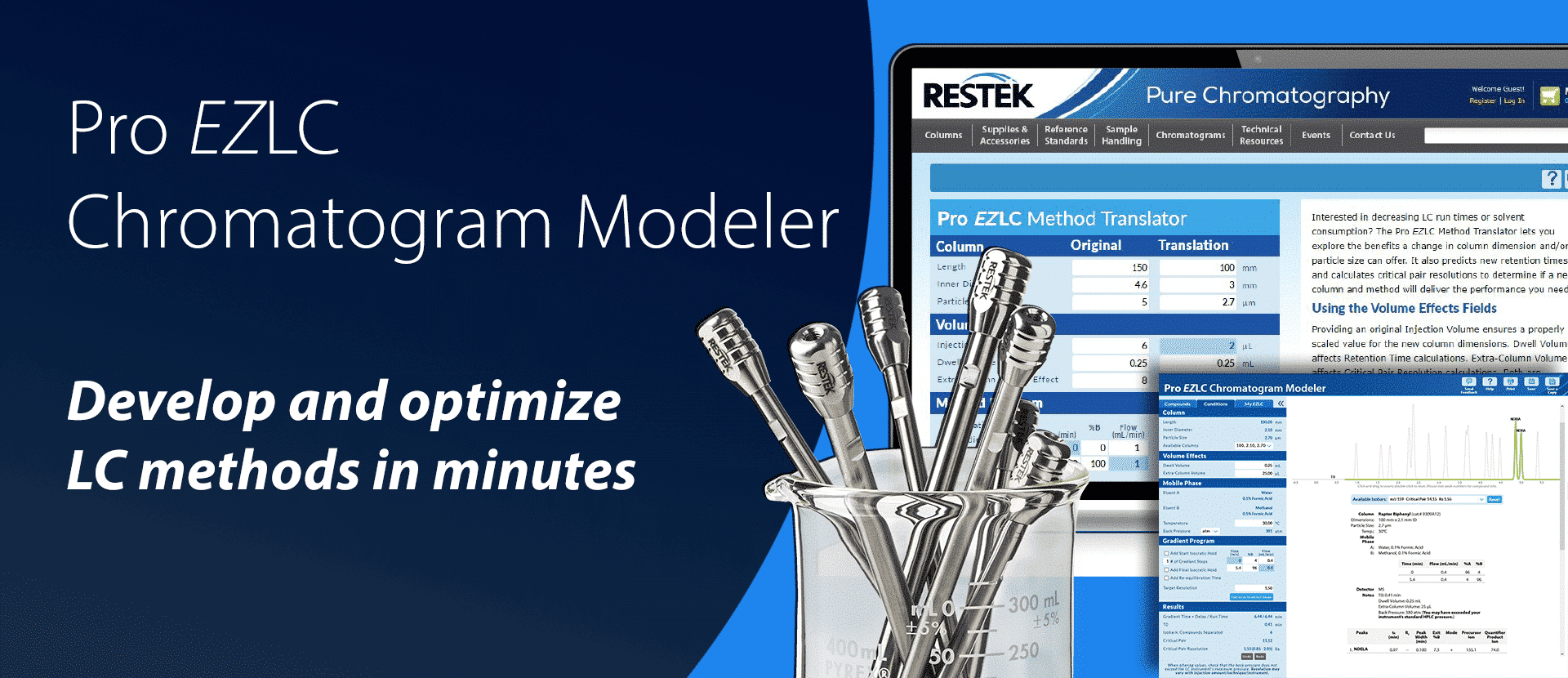
- EZ suite: refine methods online for free in real time. Optimise or amend your GC and LC methods in minutes from your desk. Our online software and calculators are reliable, easy to use and all to perform method development without guesswork,
- 20 Years of Biphenyl: A Bold Move That Paid Off. Two decades ago, we broke the mold with Biphenyl – and it’s still changing the way labs think about selectivity. Join us to celebrate Biphenyl’s 20th birthday and discover more about our innovative LC column.
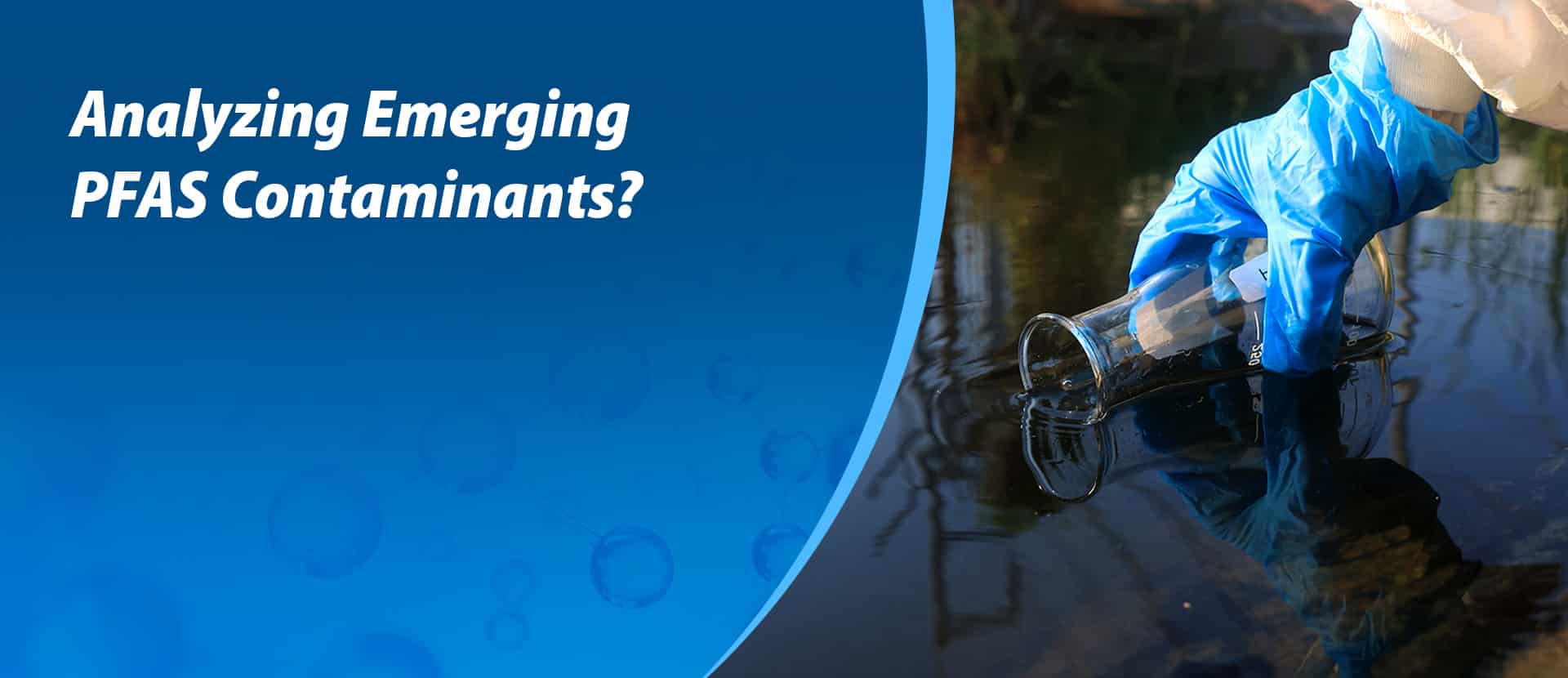
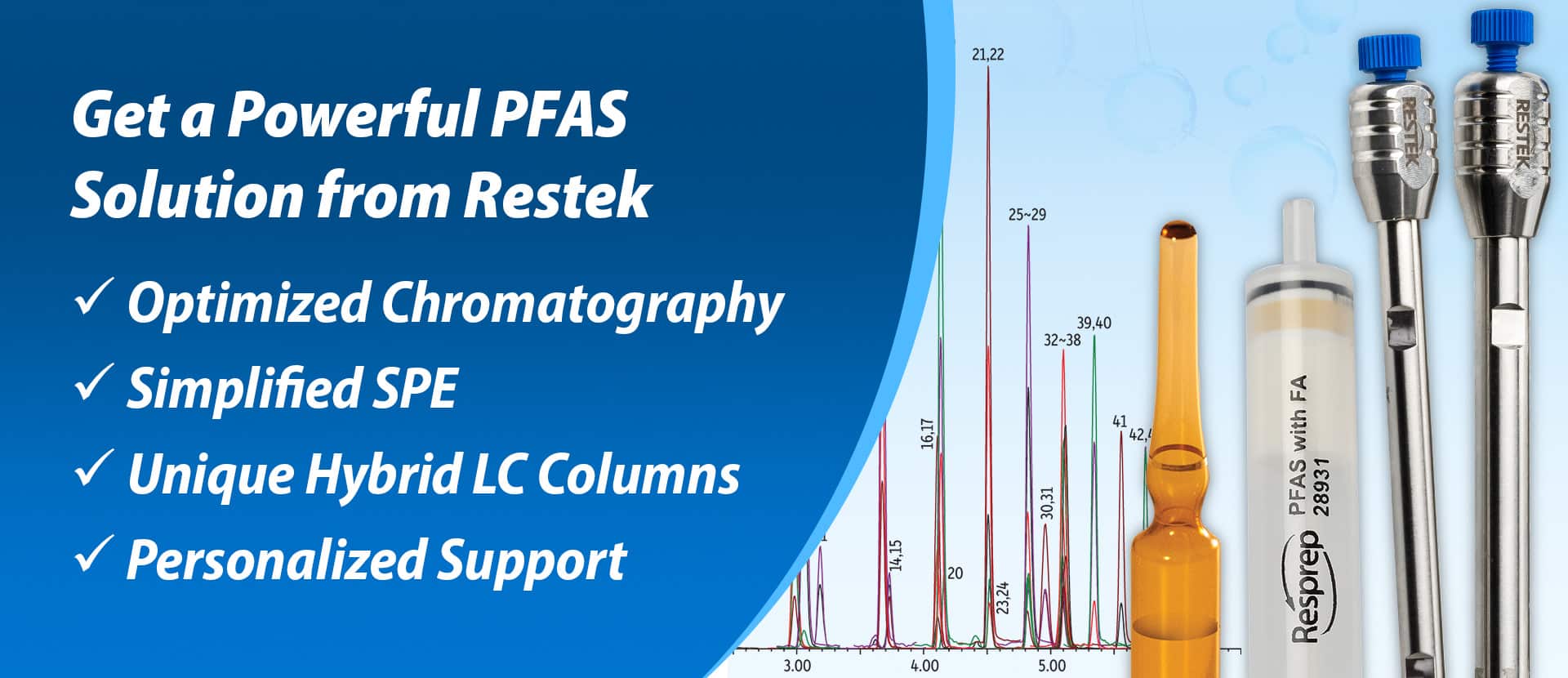
- PFAS Problems? We’re Here to Help. The landscape of PFAS testing regulations and methods continues to evolve around the world, yet the needs of analytical labs are universal. You need fast, accurate, and dependable products supported by personalised advice and expert technical service from people who understand the challenges of these demanding analyses. That’s where Restek come in!
- Need Chromatography Consumables? We’ve got you covered! With industry-leading GC and LC columns and accessories, rugged sample prep solutions, certified reference materials, and more, turn to Restek for your chromatography needs.


Solutions
Learn from Restek’s experts with this curated selection of articles, blog posts, and more. Want to learn more? Access our full resource hub.
Is Inert LC Column Hardware Beneficial for Pesticide or Mycotoxin Analysis?
Explore how inert LC column hardware improves pesticide and mycotoxin analysis. Read Now→
How to Maximize Performance with Restek’s Inert LC Columns and Guards (PDF)
Are you struggling with poor peak shape? Experiencing low sensitivity? Performing extensive conditioning steps to achieve reproducible peak intensity? If you answered yes to any of these questions, inert LC columns and guards may be a solution for you! Read Now→
Raptor LC Columns: Selectivity Accelerated
Raptor LC columns combine the speed of superficially porous particles (i.e., SPP or “core-shell”) with the resolution of highly selective USLC technology. Read Now→
A Two-in-One Solution for PFAS SPE Sample Preparation
See how Resprep PFAS cartridges—with WAX and carbon in a single cartridge and an optional filter aid—can help you improve PFAS sample prep. Read Now→
Advanced Analytical Solutions for PFAS Analysis (PDF)
Explore our latest selection of PFAS standards, columns, and sample prep products in this helpful guide. Read Now→
Growing Analytical Solutions for Hemp and Cannabis Analysis (PDF)
Restek has developed industry-leading GC and LC columns, comprehensive certified reference materials (CRMs), and innovative sample preparation products designed for hemp and cannabis analysis. Read Now→
Rxi-624Sil MS Columns: Exceptionally Inert, Low Bleed Columns for Volatiles Analysis
Analyze volatile compounds and polar analytes with greater confidence using Rxi-624Sil MS columns. Optimized selectivity, higher inertness, and lower bleed result in reliable separations and accurate, trace-level determinations. Includes environmental and pharmaceutical applications. Read Now→
Restek Biphenyl: Better Selectivity than a C18—Separate a Wider Range of Analytes in Highly Complex Samples
Biphenyl LC columns from Restek provide heightened selectivity and retention for compounds that are hard to resolve or elute early on C18 and other phenyl chemistry columns. Read Now→
|
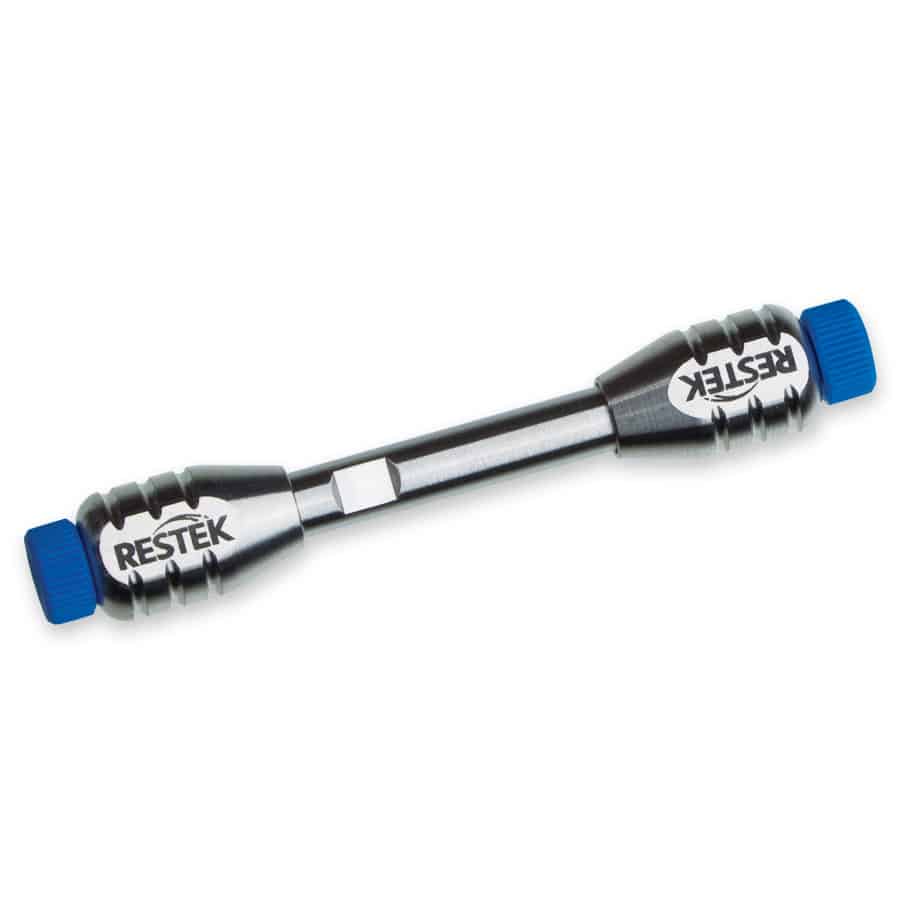
Liquid Chromatography Biphenyl Columns→ Inert Columns→ Pro EZLC Chromatogram Modeler→ |
 |
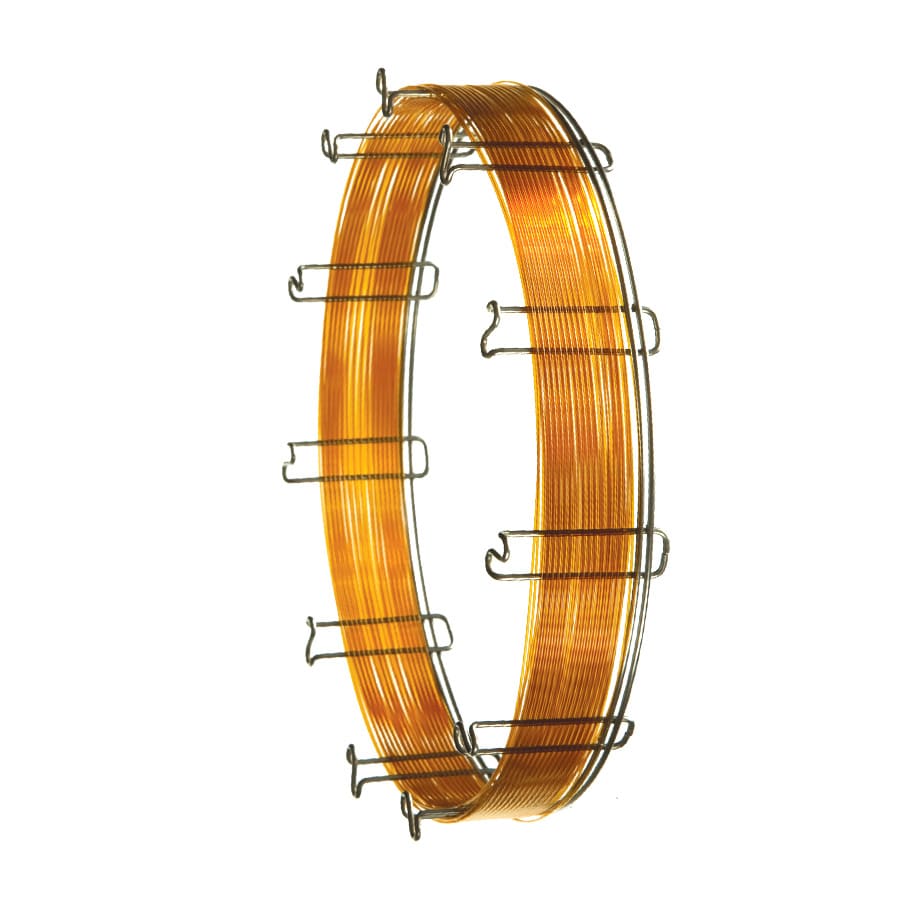
Gas Chromatography Capillary Columns→ LPGC→ Inlet Supplies→ Pro EZGC Chromatogram Modeler→ |
 |
|
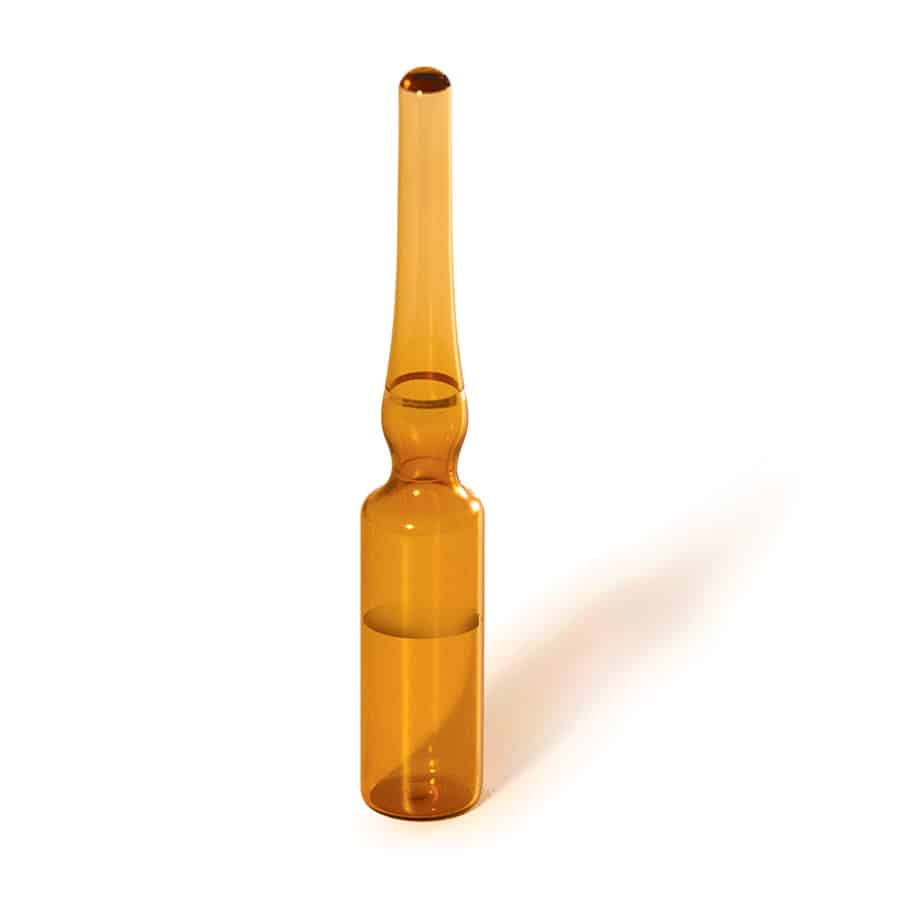
Reference Standards |
 |
Presentations
Vendor seminar
Rapid Substance Detection in Complex Matrices: From Illicit Drugs to Pharmaceutical Contaminants
Tuesday, July 15, 4:25-4:45 p.m., room 1
Presenters: Andriana Michailidis and David Bowers
View Details
The use of illicit drugs in social environments, such as pubs and bars, has become an increasingly significant issue for public health and safety. These venues often provide a setting where individuals may engage in recreational drug use, and results in the residual presence of drugs on high-contact areas. This study aims to investigate the presence of illicit drugs in a pub within the UK, focusing on common touchpoints such as the tables, bar, and men’s/women’s bathrooms. Over 400 surface swabs were collected over 3 weeks, with the objective of identifying trace amounts of illicit substances commonly associated with recreational use. This study additionally explored the potential of Atmospheric Solids Analysis Probe Mass Spectrometry (ASAP-MS) as a screening tool for the on-site detection of cocaine, ketamine, amphetamine, diazepam, and tetrahydrocannabinol (THC). Previous research has demonstrated that ASAP-MS is an effective method for detecting illicit drugs with minimal sample preparation. An untargeted screening method was developed for direct swab analysis via glass capillary rod, while a combined untargeted and targeted approach was used for solvent-extracted samples. For confirmatory testing, Liquid Chromatography Mass Spectrometry (LC-MS) was used and to determine the effectiveness of ASAP-MS for comparing analysis for the screening of surfaces for drug contamination. Results indicated that the targeted method with minimal sample preparation was able to detect trace amounts of drugs that were previously undetected using the initial screening method. However, the untargeted method, with direct sample analysis, shows potential for detecting larger quantities, particularly cocaine. Overall, the findings revealed drug residues at all touchpoints swabbed within the pub, particularly in the bathrooms. Both bathrooms emerged as ‘hot spots’ for recreational drug use, especially cocaine, which was detected in all samples.
Coated blade spray mass spectrometry (CBS-MS) continues to ground itself as an efficient ambient ionisation technique, offering a combination of robustness, practicality, and analytical performance. Our group’s research has predominantly focussed on screening trace-level contaminants, such as nitrosamines, using CBS-MS. In this presentation, we discuss the considerations that must be taken when developing CBS-MS methodologies. We begin by examining the impact of a novel ionisation source design, specifically the spatial alignment of the coated blade relative to the mass spectrometer inlet. This subtle yet critical factor was found to influence both signal intensity and peak stability, both of which being key elements of method robustness that are often not a part of regular method development.
Compared to other ambient ionisation techniques, CBS-MS demonstrates superior relative standard deviation (RSD) performance, highlighting its potential for quantitative analysis as well as its reliability and reproducibility. This enhanced precision is attributed, in part, to the integration of analyte extraction and enrichment on the CBS surface, concentrating analytes directly at the point of ionisation. By coupling this dual-functionality with efficient ionisation, CBS-MS achieves heightened sensitivity and selectivity without additional sample preparation steps. Together, these findings emphasize the growing relevance of CBS-MS for high-throughput and regulatory-focused applications, where analytical fidelity and operational simplicity are paramount.
Demo Zone
Method Development made EZ with EZGC & EZLC
July 15-17, Booth 4
View Details
GC & LC method optimization, in general, is labor intensive. It requires unique skill sets to understand column chemistry, analyte chemistry, and method goals to optimize methods. With expert chromatographers at work, Restek scientists have mastered the skills of method development and have created a seamless platform that can transform your method development and optimization experience along with column recommendations. In this learning exercise, we will demonstrate the benefits of Restek’s Pro EZGC & Pro EZLC platforms.
Posters
Methodologies for Ultrashort-Chain and Comprehensive PFAS Analysis in Water Samples
Presenter(s)/Co-Author(s): Shun-Hsin Liang, Justin Steimling
Download Now
View Details
Per- and Polyfluoroalkyl substances(PFAS) have been a trending global issue for a number of years now. As more research is being carried out on these compounds, their breakdown paths, and their bioavailability, additional methods are required to quantify at lower concentrations, and to look for novel chemistries. As this search has expanded, shorter chain, and particularly ultrashort chain (USC) PFAS with carbon backbone lengths shorter than C4 have become areas of focus. In the most recent EU Commission Notice for Drinking Water (C/2024/4910) the fact TFA was not included in their definition of “PFAS Total” is highlighted as potential cause for concern, and both TFA and USC PFAS more generally are highlighted as areas for more specific monitoring.
In this poster we examine two separate approaches to examining USC PFAS compounds. The first is a comprehensive look at a panel of PFAS compounds (C1-C14) with a dilute and shoot method using an inert coated, polar embedded alkyl LC column. The second is a more targeted screen via direct injection, focussed upon USC PFAS utilising a novel HILIC/ion exchange LC column. These methods were then confirmed utilising a variety of fortified potable and non-potable water samples (industrial effluents, along with bottled, tap and spring waters). Both workflows demonstrate accuracy, sensitivity and linear calibration ranges of ppt levels, within industrially acceptable recovery values (70-130%).
Method development for PFAS compounds by GC-MS using virtual method development
Presenter(s)/Co-Author(s): Cyrille Lamboley, Haley Berkland
Download Now
View Details
Per- and polyfluoroalkyl substances (PFAS) have been chemicals of growing concern for environmental contamination, due to their health effects and environmental persistence. Most PFAS analysis is focused on polar, non-volatile compounds using LC-MS/MS as an analytical technique, but many neutral, volatile PFAS compounds exist, and some studies show high concentrations of them may be present in ambient and indoor air. Few methods exist to analyze these compounds by GC, so this poster shows how the use of Restek’s EZGC chromatogram modeler to create and optimize GC-MS methods can quickly generate analytical methods without the need for time consuming in-lab development.