


Restek at NACRW 2025


Featured Solutions
PFAS
Your Partner in PFAS Analysis
Access app notes, webinars, chromatograms, and more on our dedicated PFAS portal.→
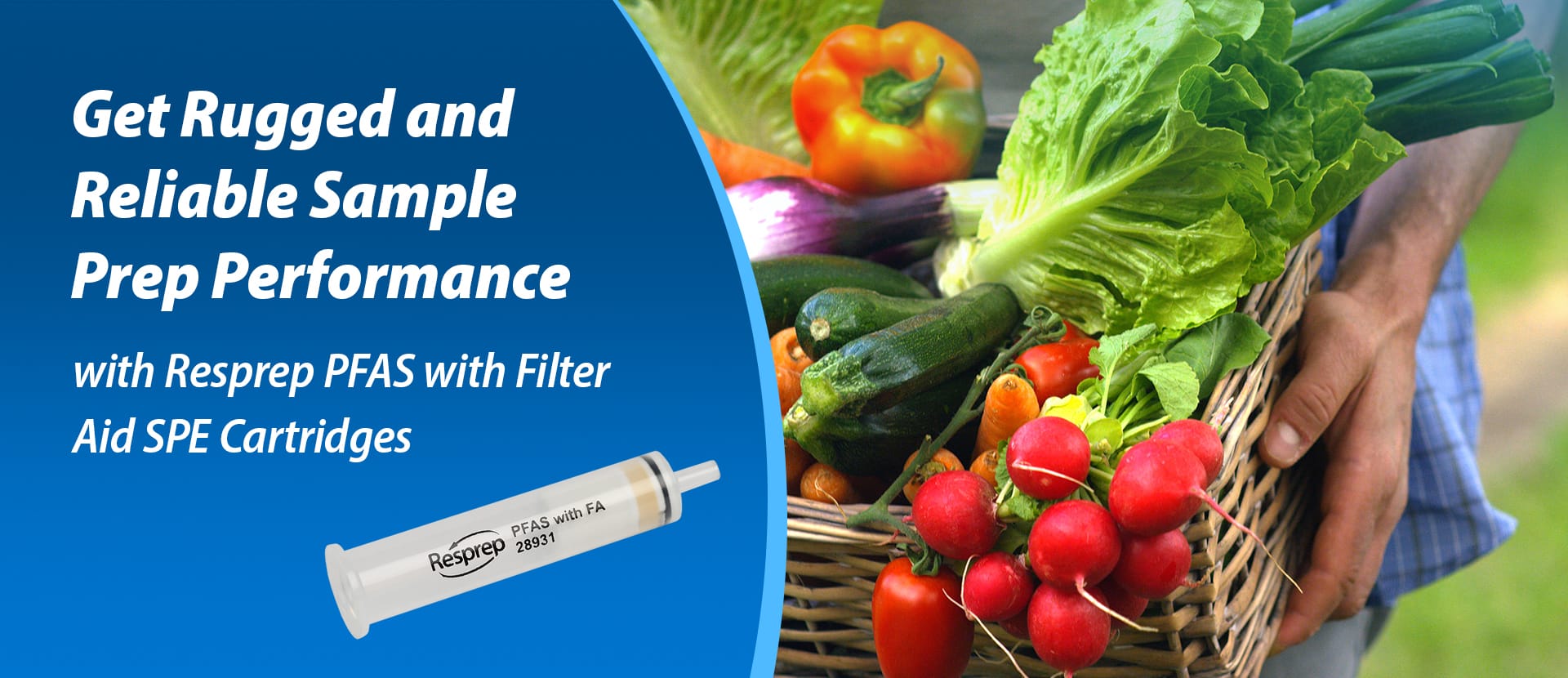
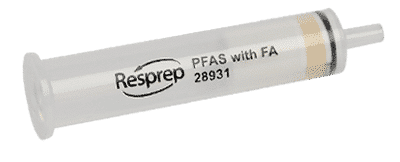
Streamline Your Sample Prep with Dual-Bed Resprep PFAS Cartridges
A convenient, two-in-one solution designed specifically for PFAS analysis.→
Lab Supplies for PFAS Analysis
A method-based reference to lab supplies for PFAS testing.→
Advanced Analytical Solutions for PFAS.
Browse columns, reference standards, sample prep products, and more.→
Enhancing Short Chain Selectivity for PFAS in Food
Pesticides
Improve Productivity for Pesticides Analysis of Food
Rely on our experience to help you increase certainty and sample throughput.→
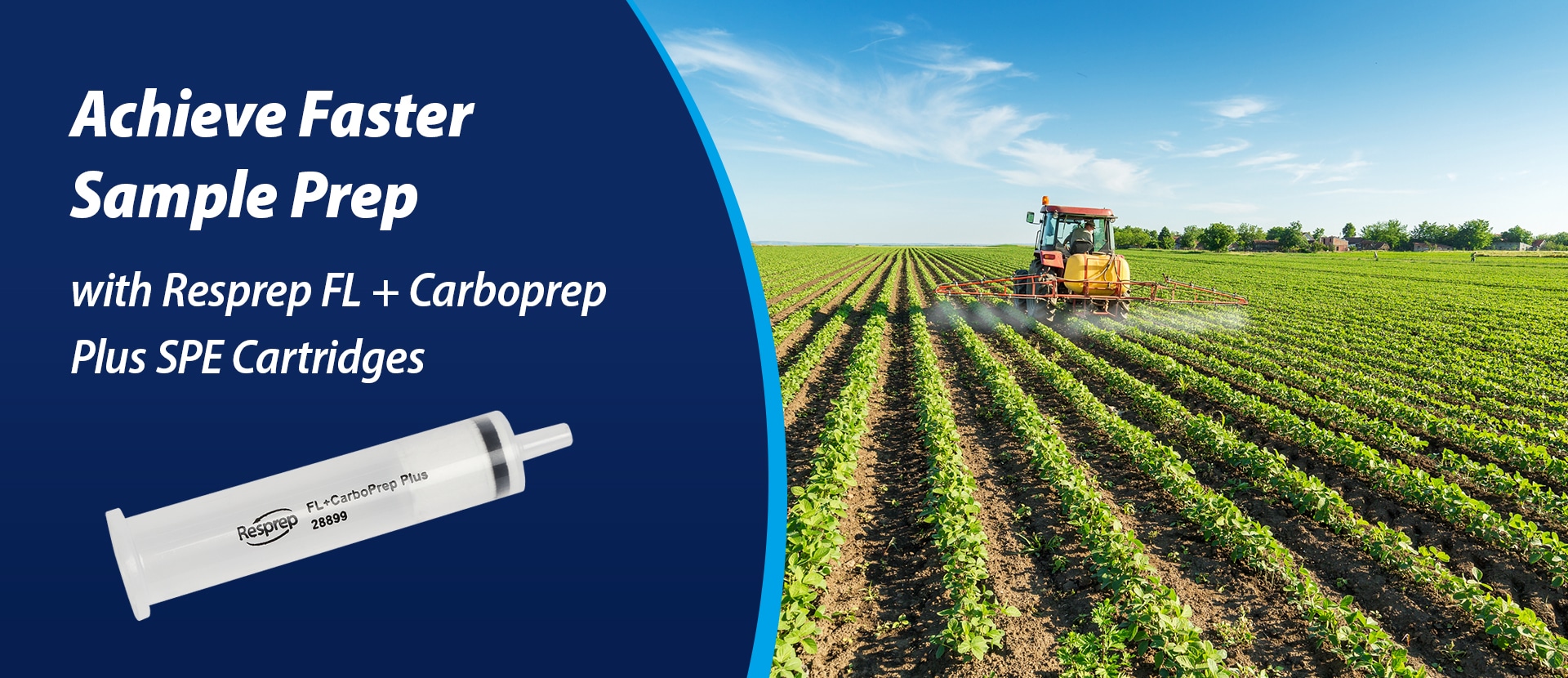
Improve Productivity for Pesticides Analysis with Resprep FL + CarboPrep Plus SPE
Cleaner extracts mean less GC downtime and >10x higher sample throughput.→
Phthalates and More
Analyzing Phthalates Using an Inert LC Column
See how LC-MS/MS method development was explored for phthalic acid and six widely used phthalates.→

Eliminate Hardware Effects from Your LC Column
See how Restek’s Inert LC columns can help ensure your chromatography is the best it can be.→
Presentations
Posters
Integrating Ultrashort-Chain Compounds into Comprehensive PFAS Profiling in Ready-to-Feed Liquid Milk
Monday, July 28, 3:10-3:40 p.m. & Tuesday, July 29, 11:00 a.m. – 12:00 p.m.
Author: Shun-Hsin Liang, PhD
View Details
Ultrashort-chain (USC) per- and polyfluoroalkyl substances (PFAS) are highly polar compounds with carbon chains shorter than C4. Their widespread occurrence in aquatic environments has raised growing concerns about potential contamination in food products, particularly ready-to-feed liquid milk. To fully assess PFAS contamination, it is essential to include USC compounds in PFAS analysis of milk samples. The high polarity of USC PFAS poses a significant challenge for standard chromatographic practices in PFAS analysis, primarily due to insufficient chromatographic retention. This study introduces a simple and reliable workflow for the simultaneous analysis of C1 to C14 perfluoroalkyl carboxylic and sulfonic acids, along with other PFAS classes, in various liquid milk matrices. The chromatographic analysis was performed using an inert-coated, polar-embedded, reversed-phase LC column. Method verification was conducted using three different milk types—dairy milk, almond milk, and infant formula—to demonstrate the workflow’s applicability for measuring 41 PFAS in diverse milk samples. A sample preparation procedure involving protein precipitation, extractant drying, and reconstitution was optimized for effective extraction and quantification of all analytes. This streamlined procedure was evaluated by accuracy and precision analysis at five fortification levels, ranging from 0.01 to 0.25 µg/kg, equivalent to 10 to 250 ng/L in the final sample solution for LC-MS/MS analysis. Eighteen isotopes, serving as quantitative internal standards, were added to the sample before extraction to ensure accurate quantification by correcting variations in sample preparation and matrix effect. Calibration ranges varied among different analytes, spanning from 4–2500 ng/L. All analytes exhibited recovery values within 30% of the nominal concentration across all fortification levels. Satisfactory method precision was demonstrated with %RSD values below 15%. The established workflow was then applied to the analysis of additional milk samples collected from various grocery stores, providing a comprehensive profile of PFAS contamination across a diverse range of milk matrices.
Vendor Seminars
From Complexity to Clarity: Confident Method Development for PFAS and Chemical Residues
Tuesday, July 29, 12:15-1:15 p.m.
Presenter: Ramkumar Dhandapani, PhD
Authors: Ramkumar Dhandapani, PhD, Shun-Hsin Liang, PhD, Alexis Shelow
View Details
Between time constraints, sample turnover demands, cost pressures, and evolving regulations, developing and optimizing testing methods for PFAS (including ultrashort-chain compounds) and chemical residues is increasingly complex. This session will explore the challenges of building accurate, reliable methods for these critical compound classes. Attendees will gain practical insights into simplifying method development through purpose-built tools, enhanced SPE workflows, and innovative inert LC and LPGC column formats that support higher throughput and consistent performance.
Anyone looking to improve laboratory efficiency in PFAS and chemical residue analysis will benefit from attending this session.
Orals
From Sample to Solution: Advancing PFAS Matrix Cleanup with Sample Preparation
Tuesday, July 29, 2:30-2:50 p.m., O-20
Presenter: Alexis Shelow
Authors: Alexis Shelow, Jason Hoisington, and Kevin Albertson
View Details
Quantifying PFAS in complex food matrices presents a significant analytical challenge due to matrix interferences and the need for highly sensitive detection limits, necessitating robust sample preparation to ensure accurate and reliable results. The performance of the PFAS Triple Bed Cartridge with integrated Filter Aid was evaluated across diverse food matrices, yielding high recovery rates, efficient matrix cleanup and ensuring reliable PFAS quantitation. These findings underscore the importance of robust sample preparatory techniques when addressing analytical complexities associated with PFAS analysis for both food and environmental safety laboratories.