



Environmental Science & Technology published an article by Juafu Li, et al. using the Restek Rtx-200 GC column to analyze DBPs in one of America’s most popular non-alcoholic beverages, tea.
Tea is the second most consumed nonalcoholic beverage. World production of tea was estimated at 4.8 million tons in 2012. Green tea and black tea contain approximately 500 compounds which include polyphenols, amino acids, caffeine, pigments, esters, polysaccharides, vitamins, minerals, and aromatic substances. Some of these compounds have functional groups that can react with chlorine to form DBPs. Chlorine is the most common chemical used to disinfect drinking water and is used to control regrowth of microorganisms in water distribution systems. DBPs in tea can come from two sources: the reaction of residual chlorine in tap water with tea precursors and from the tap water used to brew the tea (DBPs already formed). DBPs in drinking water have been shown to cause bladder cancer and colorectal cancer and can also contribute to adverse birth outcomes. Several DBPs are regulated globally, in the US eleven DBPs have strict concentration limits enforced under the Safe Drinking Water Act (SDWA).
The Rtx-200 was used to analyze 60 DBPs on three different brands of tea; Twinings green tea, Twinings Earl Grey tea and Lipton black tea brewed using tap water or simulated tap water (nanopure water with chlorine). Samples were analyzed using an Agilent 7890 gas chromatograph 5977A mass spectrometer with electron ionization. Sample extracts were injected into a multimode inlet, in pulsed splitless mode, using a Restek Rtx-200 column (30 m x 0.25 mm x 0.25um), allowing sharper peaks and optimal separation of DBPs.
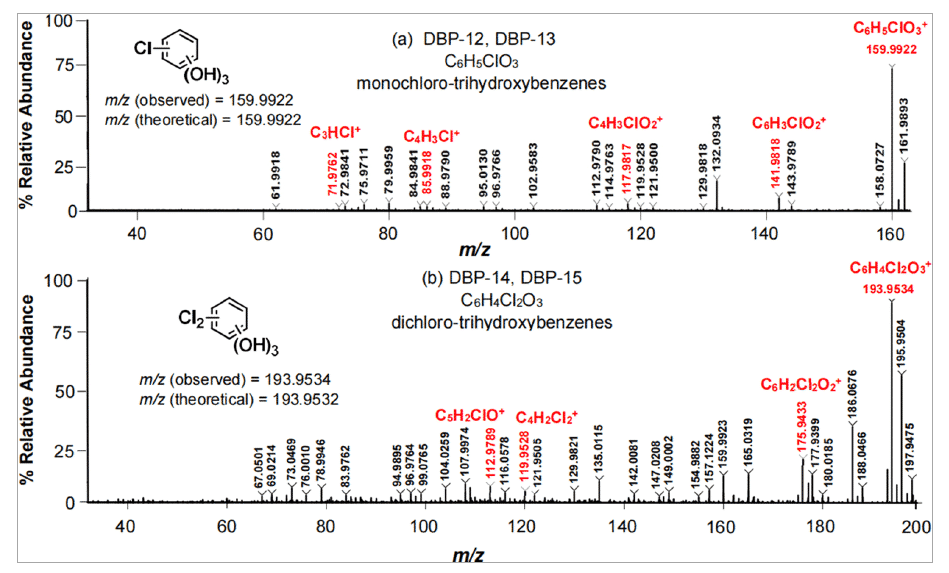
This study indicated that a wide variety of unregulated and priority DBPs also occur in tea brewed with tap water. However, DBP levels were often lower in the tea vs the tap water due to volatilization and sorption (tea leaves). On the other hand, total organic halogens (potentially unidentified DBPs) nearly doubled in tea vs tap water. Suggested approach to limiting these DBPs in brewed tea, is to use chlorine free bottled water when brewing tea.
Acknowledgments: Susan D. Richardson
Complete method can be found here: https://pubs.acs.org/doi/10.1021/acs.est.1c03419?ref=pdf
References: Are Disinfection Byproducts (DBPs) Formed in My Cup of Tea?
Regulated, Priority, and Unknown DBPs
Jiafu Li, Md. Tareq Aziz, Caroline O. Granger, and Susan D. Richardson*