

Fast, 3.5 Minute Analysis of Psilocin and Psilocybin in Urine by LC-MS/MS
This application note details a fast, 3.5-minute LC-MS/MS method for quantitative analysis of psilocin and psilocybin in human urine.
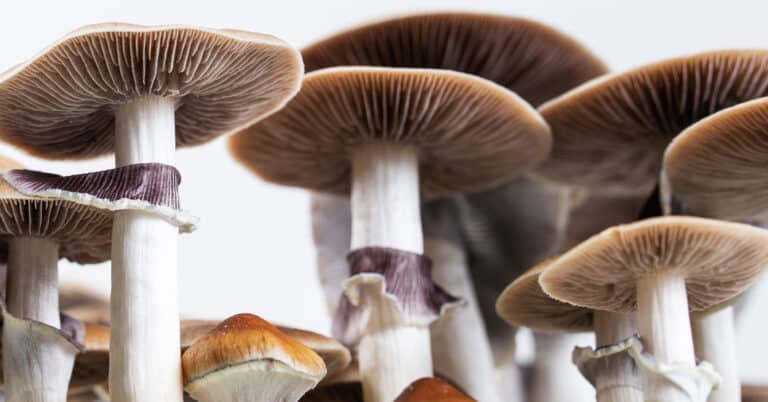
This application note details a fast, 3.5-minute LC-MS/MS method for quantitative analysis of psilocin and psilocybin in human urine.
At Restek, we understand that cannabis testing labs demand reliable information to help them make the right choices when developing robust methods capable of complying with stringent regulations. With this in mind, we developed a simple approach for the determination of pesticides, mycotoxins, and cannabinoids in chocolate samples.

Model more than 60 common inhalants of abuse and develop methods within minutes, without taking your instrument offline.
As medical marijuana is more frequently prescribed, patient safety must be ensured. Pesticide residue testing is an important part of assuring safe product is dispensed, but analysis can be extremely challenging due to matrix complexity. The use of QuEChERS, cartridge SPE cleanup, and GCxGC-TOFMS as presented here, produces high-quality quantitative data for this difficult analysis.

This application note describes the development of an analytical method for PAHs in tea that allows analysts to more quickly and accurately characterize target PAHs. Sample preparation is based on a modified QuEChERS extraction and solid phase extraction sample cleanup. Both GC-TOFMS and GC-MS/MS techniques were used and analyses were optimized for resolution of isobaric compounds, as well as for maintaining a reasonable analysis time.
We compared the efficacy of dSPE and cSPE cleanup methods for multiresidue pesticide analysis of QuEChERS extracts of finished tobacco products using GCxGC-TOFMS. Cleanup with dSPE tubes containing 7.5 mg of GCB and 25 mg of PSA produced better results than other methods, with average recoveries of 92% and 91% for 500 ppb and 50 ppb fortifications respectively.
QuEChERS extraction, dSPE cleanup, and GC-TOFMS analysis were used to assess pesticide residue levels in strawberry and spinach from both commercial and Amish growers. Various dSPE sorbent products were compared to determine which were most effective.
Melamine contamination was implicated in a large pet food recall that occurred in 2007 when animals died after eating contaminated pet food. Here, a modified GC/MS method, based on an FDA method, was used to analyze for melamine & related compounds cyanuric acid, ammelide, and ammeline in dry cat food. Analytes were easily identified by retention time matching and mass spectra.
Conditions are established for analyzing both derivatized and underivatized cholesterol on a highly inert Rxi-5ms column. Methods described include both an isothermal analysis for use when interferences are minimal, but sample throughput is critical, and a temperature program for use when separation of analytes from contaminants or interfering compounds is the primary concern. Results for both derivatized and underivatized samples were highly reproducible.
Quick, Easy, Cheap, Effective, Rugged, and Safe, the QuEChERS (catchers) method for extracting pesticides from food is based on USDA research and employs a novel dispersive solid phase extraction cleanup (dSPE). QuEChERS methods are convenient, rugged methods that simplify extract cleanup, reduce material costs, and improve sample throughput. Here we demonstrate the effectiveness of QuEChERS sample cleanup using a multiresidue analysis of pesticides on strawberries.