


Posters & Presentations

One-Dimensional Gas Chromatographic Analysis of European Union Fiscal Fuel Markers

07 Nov 2025

Fuel laundering is the illegal process of removing chemical markers or dyes from government-subsidized fuel to sell as more expensive and higher-taxed fuel. In some nations, the subsidized fuel is used for agricultural purposes and residential heating as well as other specific uses. Some methods for removing the chemical markers and dyes include chemical treatment, filtration, and distillation. The illegal laundering of fuel has many negative consequences for the surrounding community, such as the government missing out on the tax revenue to maintain critical public services, the improper disposal of chemical waste contaminating the environment and exposing humans and animals to health risks, and the creation of negative economic aftereffects with market distortion. Countermeasures developed to combat this problem involve the development of a more sophisticated fuel marker that is harder to remove and easier to detect. This presentation details a one-dimensional GC-MS analytical method for identification and quantitation of a commercial fiscal marker and its preferred marker compound.

Authors

  • Jaap de Zeeuw

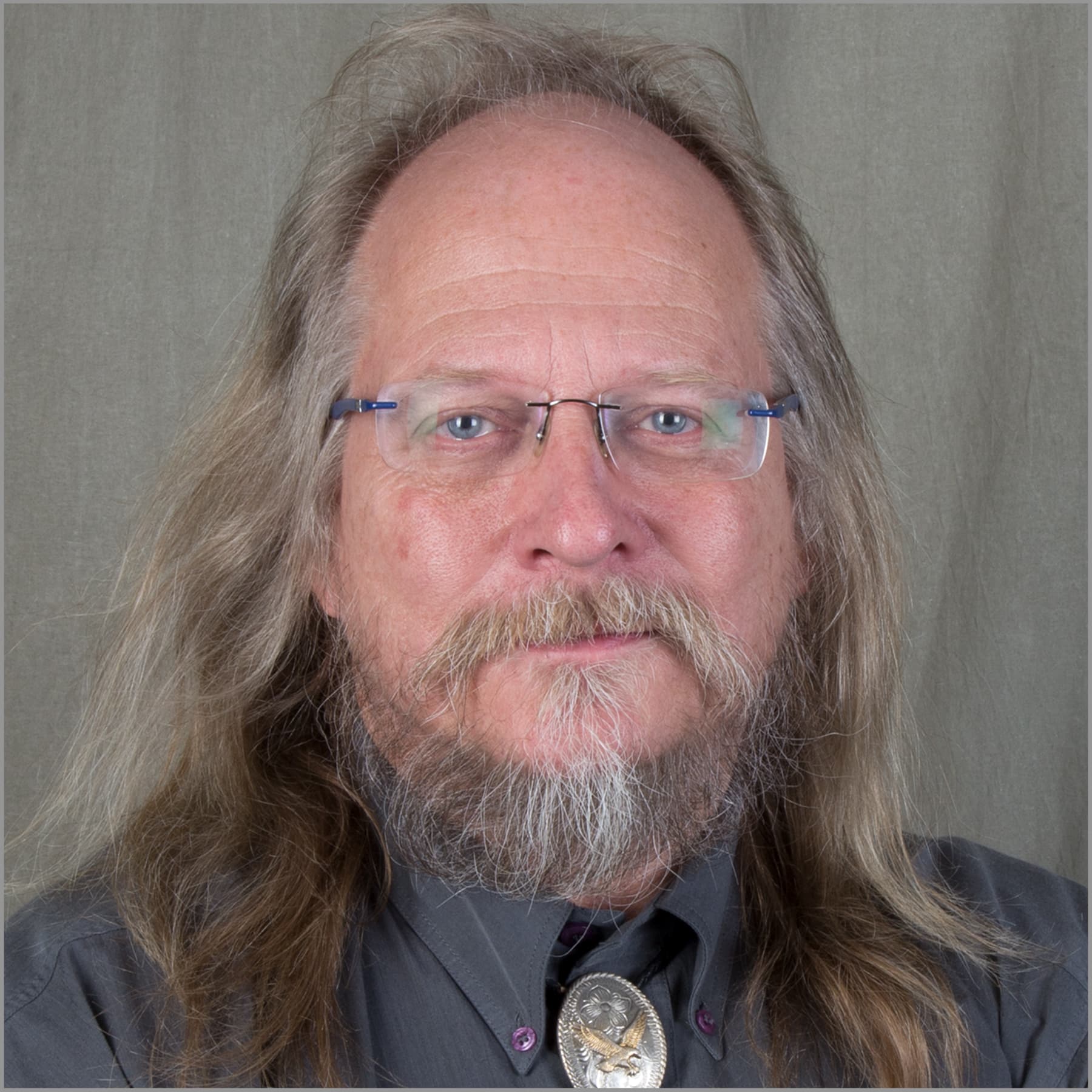
    Jaap is a world-renowned chromatographer with over 40 years of experience, including 15 years with Restek and 27 years with Varian/Chrompack prior to joining Restek. Throughout his career, Jaap has focused the chromatographic challenges of industrial analysis. For his 1979 graduation from The Institute for Higher Education, where he specialized in chemistry, Jaap authored a paper titled "The Challenge of Coating Flexible Fused Silica Capillary Columns" and has since distinguished himself as an authority on the subject. Jaap has been directly involved with the creation of numerous chemically bonded columns, including the first bonded PEG column and the stabilized PLOT columns widely used in the petrochemical arena. He has also helped develop new techniques, such as fast GC-MS using vacuum GC technology (low-pressure GC or LPGC). Over his innovative career, he has filed several patents for his work. Based out of the Netherlands, Jaap is extensively published and regularly travels internationally to share his knowledge. After retiring from Restek, Jaap founded CreaVisions, where he works as a GC Consultant and teaches master classes on key GC topics as well as on creativity in science.

    View all posts
  • Jessi Collier

    Jessi is an advanced scientist in the GC applications group where her work focuses on environmental and food contaminants. Prior to joining Restek in 2023, she worked for the Mississippi State Chemical Lab as a pesticide residue analyst, primarily testing regulatory samples, agricultural samples, environmental samples, foods, and other consumer products via GC-MS, GC-MS/MS, GC-FID, and GC-ECD. Jessi holds a BS in chemistry and a BA in Mandarin Chinese from Mississippi State University.

    View all posts
GNOT5317