
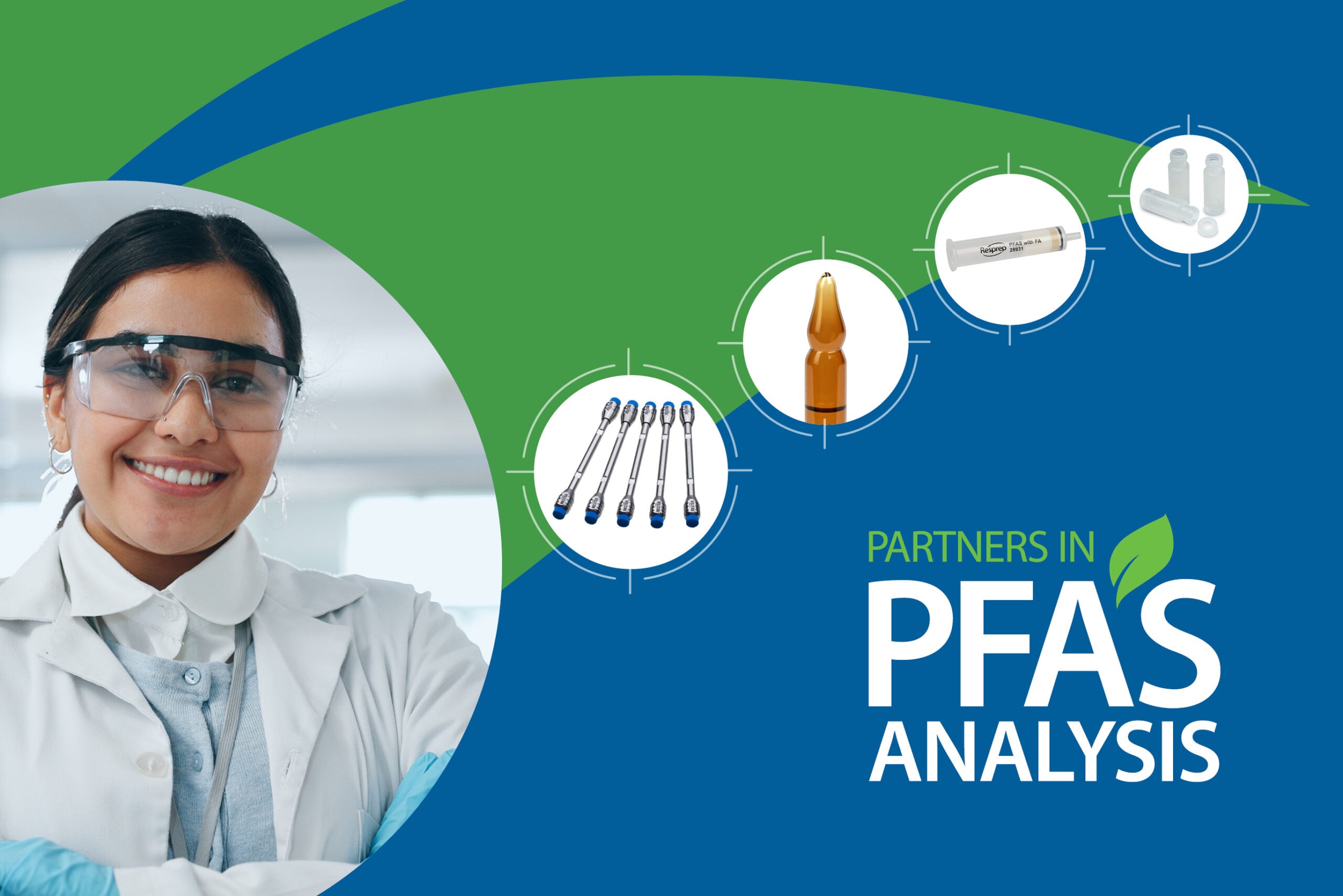
Accuracy
Begins
Upstream
PFAS consumables & expertise to support reproducible results—even at the lowest detection limits.
Every PFAS workflow comes with unique challenges—from complex samples to demanding methods and the need for accurate results.
That’s where the right partner makes the difference.
Restek combines proven products with expert guidance to support reproducible, high-quality results. From method development to routine analysis, our PFAS team is ready to help you navigate complexity with confidence.
Solutions Built for PFAS Analysis
Explore expert-recommended products designed for consistent, accurate PFAS results.
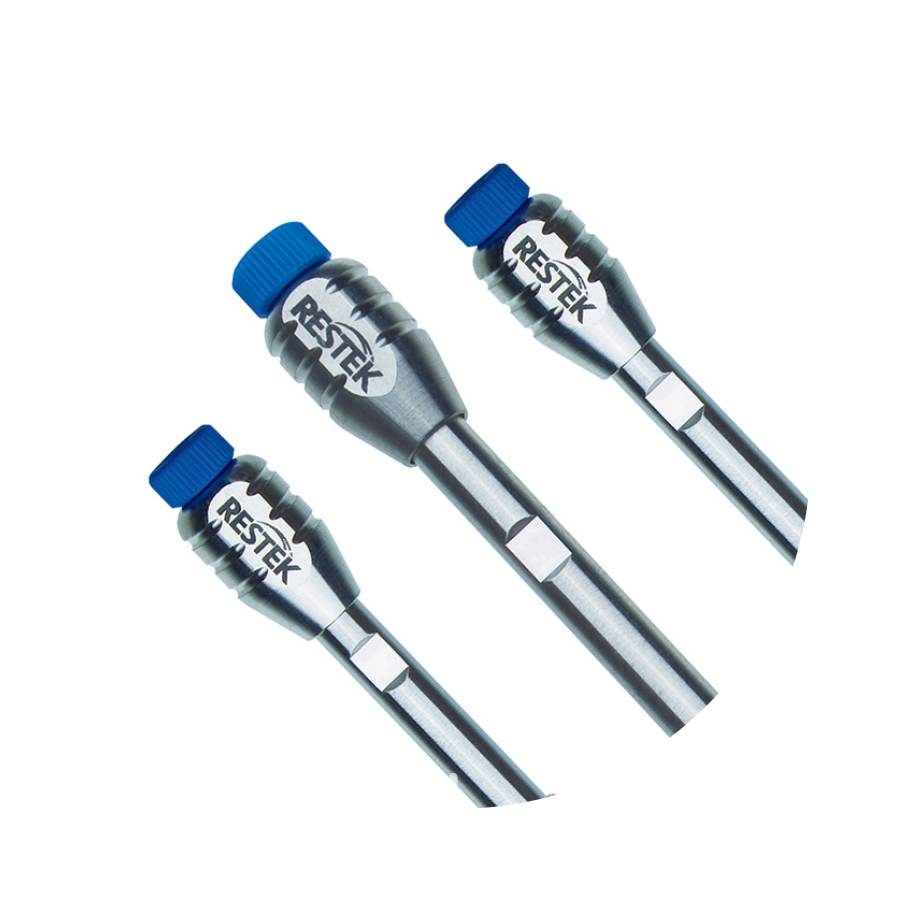
Ultra IBD Inert LC Columns
Deliver reliable PFAS separation with consistent retention and reproducibility.
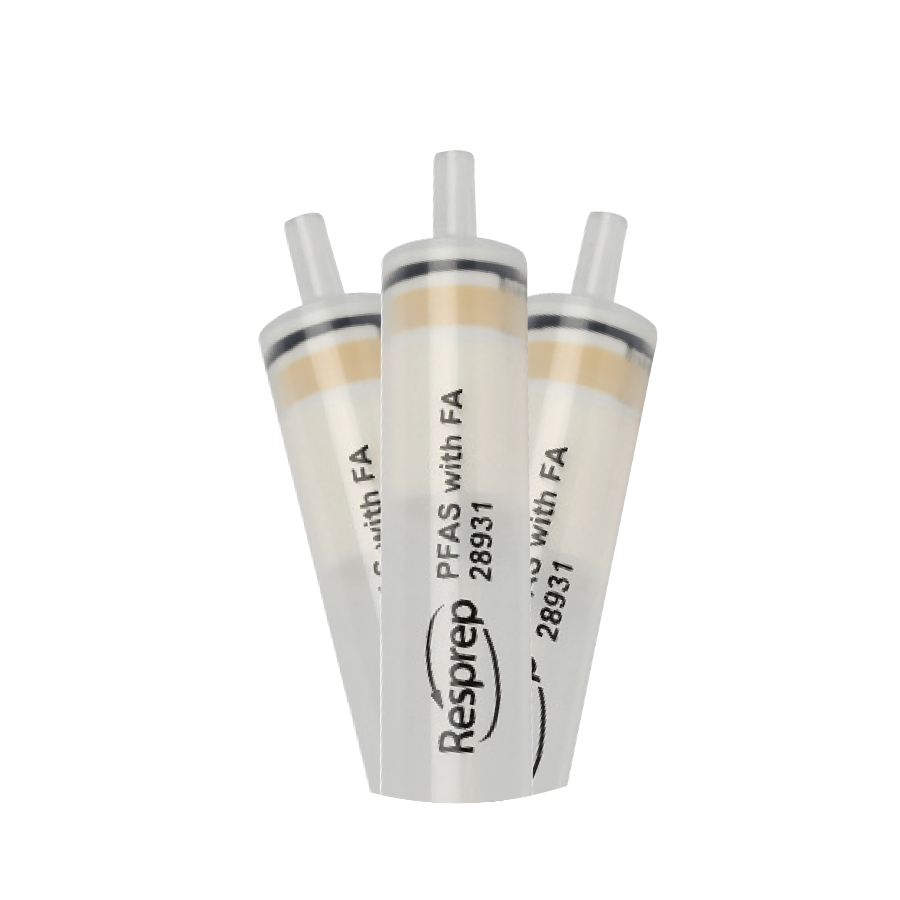
Resprep Dual-Bed SPE
Improve PFAS recovery while minimizing matrix effects in complex samples.
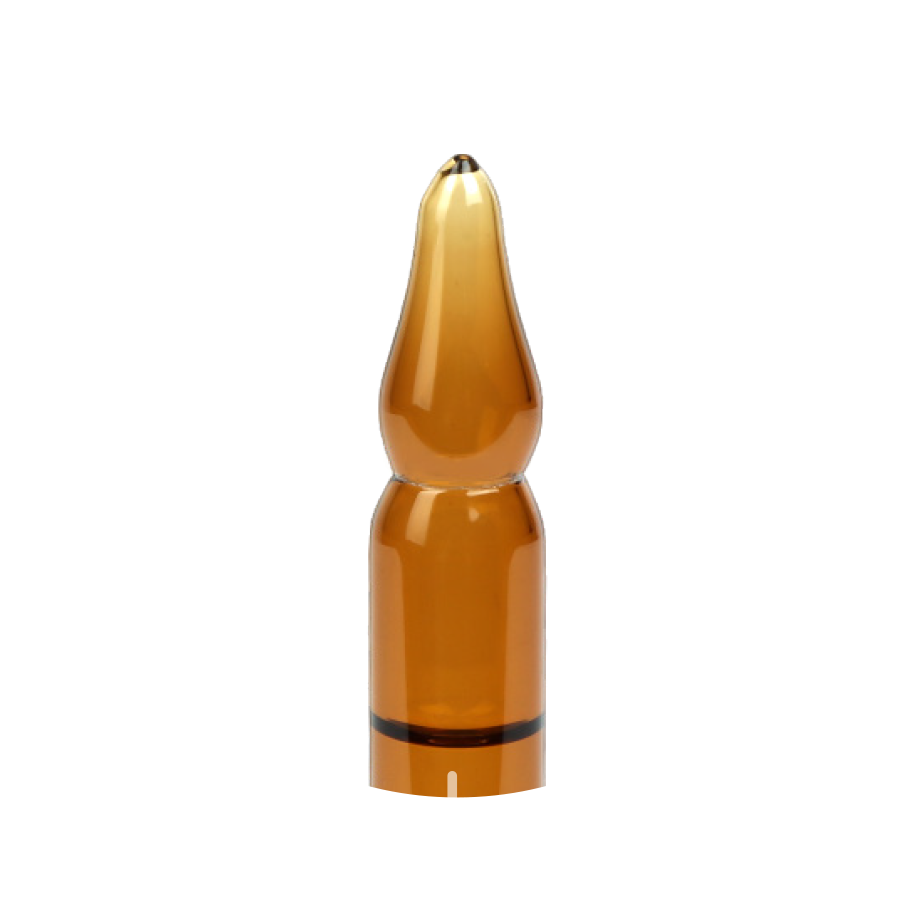
PFAS Standards
Support accurate PFAS quantitation with method-specific certified reference materials.
Browse our featured PFAS solutions—from LC columns to sample prep tools.
Level Up Your PFAS Analysis
Compare methods, select the right workflow, and identify the products you need with our expert-developed guides.
Find the Right Products
by Method
Browse products organized by method to quickly identify the right tools for your workflow.
Compare Methods with Confidence
From ASTM to EPA, ISO to DIN, explore guides that help you select the right PFAS workflow.
Find the Right Products by Method
Compare Methods with Confidence
Proven PFAS Performance
in Real Applications
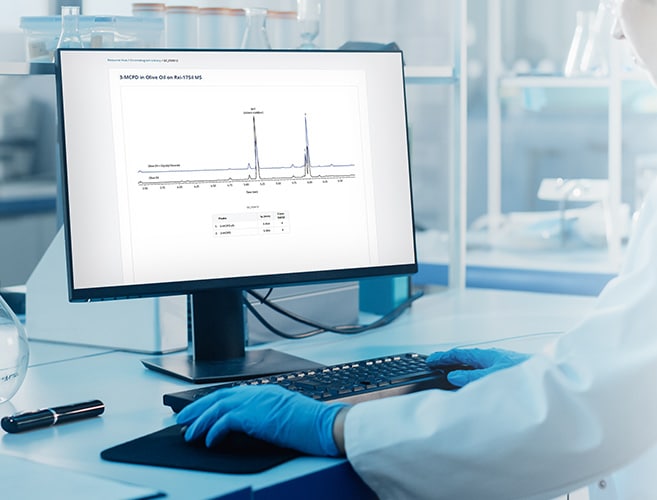
See how Restek products perform across real PFAS workflows—from drinking water to complex environmental samples.
PFAS Resources & Insights
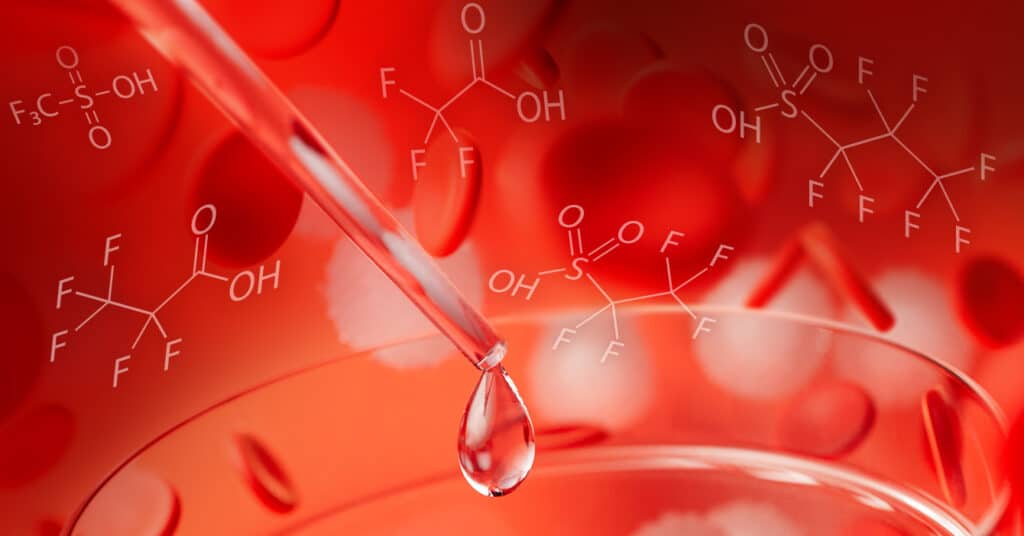
Good data starts with good information. Restek’s PFAS resource library covers everything from method development and column selection to app notes and webinars.



PFAS Analysis FAQs

Need Help with Your PFAS Analysis?
From method selection to product recommendations, our PFAS experts are here to help you navigate
complex workflows and achieve accurate, reliable results.
Start Saving
Time Today
Develop PFAS Methods in Minutes with our Pro EZLC Chromatogram Modeler
Start Saving Time Today
Develop PFAS Methods in Minutes with our Pro EZLC Chromatogram Modeler